Utah's State Requirements and Federal OSHA
Utah sits on the short list of states with state-level crane operator requirements layered over OSHA. Anyone planning to run a crane here should check today's rules with the responsible Utah agency and read through NCCCO's state-by-state licensing notes before taking a job. Rules get revised, so a quick check beats relying on what a coworker heard years ago.
Workplace safety in Utah is enforced through a state plan approved by federal OSHA, which is required to match or exceed the federal standard. On construction sites, the federal yardstick is Subpart CC of 29 CFR 1926. Its operator rule, 1926.1427, calls for anyone running covered equipment to hold a certification from an accredited tester or to pass an approved qualification program.
In day-to-day terms, Utah contractors usually ask for an NCCCO card covering each type of crane you will run. Our job is getting you ready for the NCCCO written and practical tests. The card itself comes from NCCCO, and anything the state issues comes from the state. Mapping out both pieces early makes Utah crane operator certification a lot less confusing.
Building Along the Wasatch Front
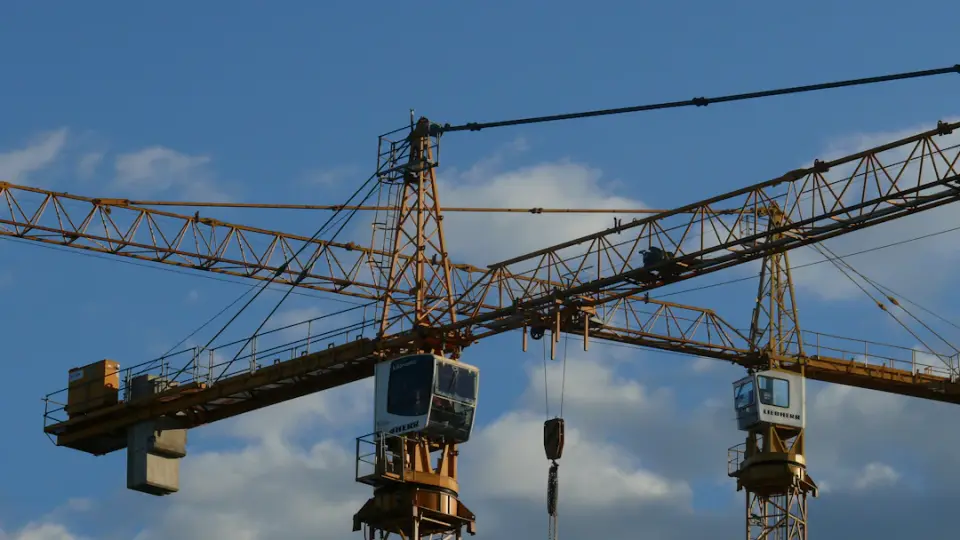
Most of Utah's population lives along the Wasatch Front, from Ogden through Salt Lake City to Provo. Growth in this corridor has brought steady commercial, residential, hospital, university and transportation construction, with tower and mobile cranes on many projects.
Southern Utah, especially around St. George, has also grown quickly, with residential and commercial construction that relies on mobile cranes and boom trucks.
Mining is a long-standing Utah industry. The Bingham Canyon Mine southwest of Salt Lake City is one of the largest open-pit mines in the world, and mining and processing operations across the state rely on cranes for maintenance and equipment changeouts. Mine sites fall under MSHA rather than OSHA, and many mining employers also set their own crane training requirements. Our instructors are familiar with OSHA, MSHA and ANSI/ASME rules for lifting equipment.
Energy, manufacturing and distribution centers round out the work, with plant and warehouse projects that use telehandlers and rigging crews.
Ski resorts in the Wasatch and the national parks in southern Utah generate their own lifting jobs as well: lift towers, lodges and visitor facilities often sit on steep, remote ground where crane access is limited and weather windows are short. Crews that take on mountain work learn to plan around road restrictions, snowpack and thin margins for setup space.
Elevation, Snow and Canyon Wind
Utah's geography shapes how lifts are planned. Much of the state sits at high elevation, and mountain projects can be well above that. Snow and ice are common in winter, especially in the mountains and along the benches above the valleys, and freeze-thaw cycles affect ground stability.
Canyon winds can be strong and gusty, and wind speed can change quickly near mountain fronts. Operators need to know their crane's wind limits and how to factor gusts into lift plans.
In the summer, southern Utah gets very hot, and desert soils can behave differently than valley clay. Every one of these factors comes back to the same skills: reading load charts accurately, evaluating ground conditions and knowing when to stop work.
Thin air at altitude also affects people. New arrivals can tire quickly during their first days on a high site, and fatigue is a common factor when lifts go wrong. Build acclimation and breaks into the schedule for crews coming up from lower elevations.
Two Ways Utah Crews Train
At your project or facility
A Salt Lake contractor or a plant in a rural county can have us travel to them. We teach the classroom material at your location, and because several of our people hold NCCCO Accredited Practical Examiner status, your operators can take their practical tests on the machines they already run. Moving instructors is usually cheaper than moving a whole crew.
At our facility in Seffner, Florida
Solo operators often fly into Tampa and train with us in Seffner. Written CCO tests happen at our headquarters monthly, and you can rent seat time on our cranes to sharpen up before the practical. Students get a discounted rate at a hotel a short drive away.
One reminder: NCCCO exams cover the national certification only. Whatever Utah requires at the state level still has to be sorted out on its own. Send us a note and we can help you think through the sequence.
Choosing Programs for Utah Crews
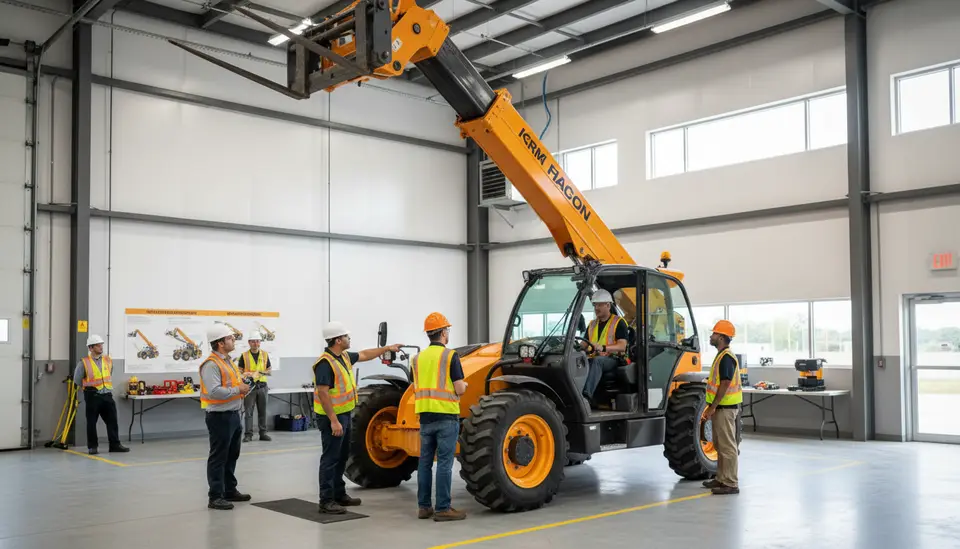
Reach forklifts are on almost every Utah jobsite and distribution floor. Our telehandler course gets operators ready for the THO knowledge and skills tests from NCCCO, and our Utah telehandler training page covers telehandler work in the state in more detail. For background, see our guide to NCCCO telehandler certification.
Seasoned hydraulic and lattice operators who want their TSS, TLL or LAT cards usually pick the four-day mobile crane prep weekend, held monthly with practicals on Friday and written tests Monday.
Someone brand new to the seat is better served by our 3-week or 5-week beginner course, which builds hours before any test. Ground crews round things out: NCCCO rigger and signalperson exams are covered in separate short programs.
Careers for Utah Operators
Utah's growth, mining and energy sectors give operators a range of paths. Many add crane types and rigging credentials over time; others move into lift planning or supervision.
Watch two expiration dates: the five-year NCCCO cycle and whatever renewal schedule applies to a Utah credential. When you want to compare pay across Utah metros, the federal BLS occupational wage tables for crane and tower operators (opens in a new tab) are the most reliable public source.