
Industry at the North End of the Wasatch Front
The railroad built Ogden, and the city still serves as a hub of industry for the northern end of the state. Hill Air Force Base is nearby, and aerospace, defense and manufacturing companies cluster in the surrounding area. Add regional distribution, downtown redevelopment and steady residential growth across Weber and Davis counties, and there is plenty of lifting to do.
Because of that, crane operator training in Ogden, UT is as likely to involve a factory's own maintenance team as a building contractor.
Strong Winds Off the Mountains
Communities along the northern Wasatch Front are known for occasional powerful downslope winds that rush out of the canyons, sometimes with little warning. For crane crews, that is a serious hazard. A gust can quickly take control of a broad load like a roof section or wall panel.
Every operator should know the machine's wind limits, how wind cuts into rated capacity and what steps secure the boom once weather turns. Add snow, ice and cold mornings in winter, and weather planning becomes part of every lift. These subjects come up in our classroom sessions and in NCCCO exam content.
On days when wind is forecast, crews should check conditions at the lift location itself, not just a regional report. A site near a canyon mouth can see far stronger gusts than a site a few miles out on the valley floor.
Programs for Plants and Contractors
Manufacturing and maintenance crews
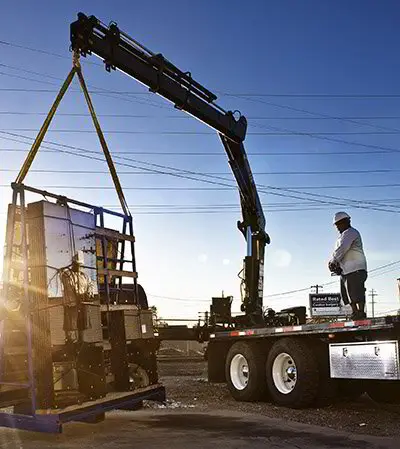
In-plant teams often use truck-mounted knuckle booms and rig heavy equipment. Seasoned knuckle-boom operators can work toward NCCCO's ABC, ABL and ABW in our articulating crane prep course, while the crew hooking up loads gets rigging instruction.
Construction crews
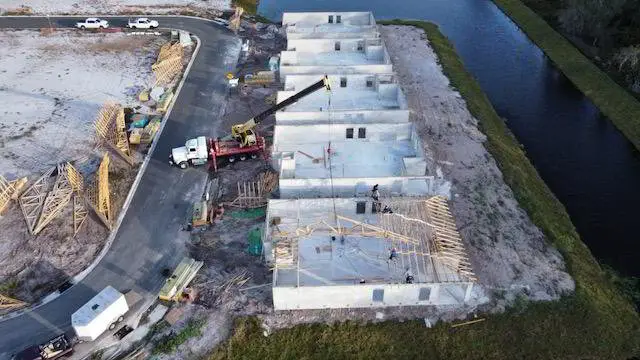
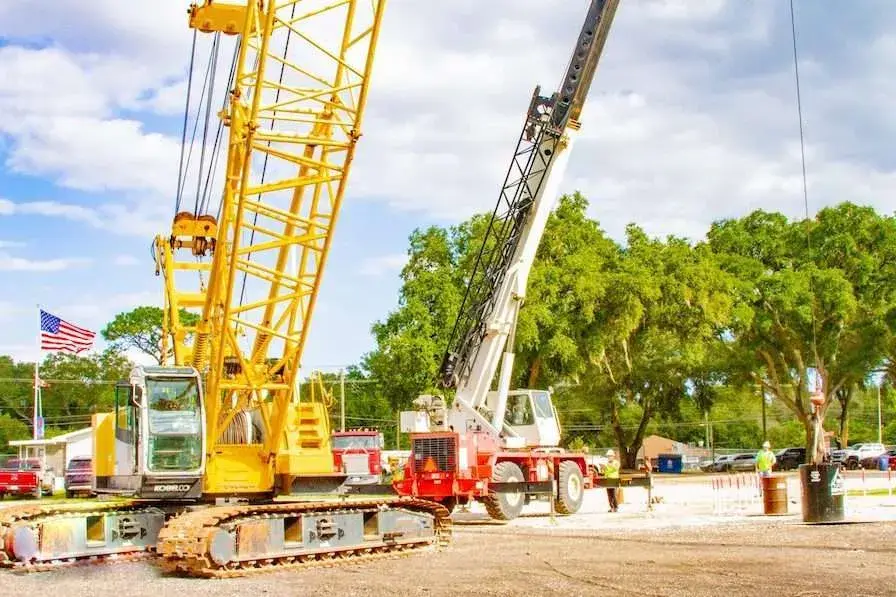
Most hydraulic and lattice operators take the monthly mobile crane prep session. Anyone brand new should first complete our entry-level crane course, which lasts three or five weeks.
Supervisors
Managers have their own course, Managing Crane Safety, focused on lift planning, inspections and who is responsible for what.
Utah's State-Level Rules
Utah has state-level crane operator requirements in addition to OSHA. Confirm current rules with the state agency and NCCCO's state licensing information before you work there. Federal OSHA 1926.1427 certification remains the baseline for construction lifting. Our Utah crane training page offers more statewide context.
Defense and aerospace facilities near the base may also impose their own documentation rules on lifting crews. Keep certification cards, training records and inspection reports organized and easy to produce when a site asks for them.
On-Site in Ogden or in Seffner
We have no Ogden office. Hosting our instructors and accredited examiners at your plant means your crew practices and tests on machines they already know. Individuals travel to Seffner, Florida for open classes, where the longer courses meet 7:00 AM to 4:00 PM, Monday to Thursday. To get your site ready, read our advice for hosting crane training on location.
With your request, include the number of candidates and how experienced they are, the cranes and telehandlers on hand, and a spot where a test course could go. Manufacturing plants with limited outdoor space can sometimes use a contractor's yard nearby for practical exams while classroom sessions happen at the plant.