Lifting Along the Lake
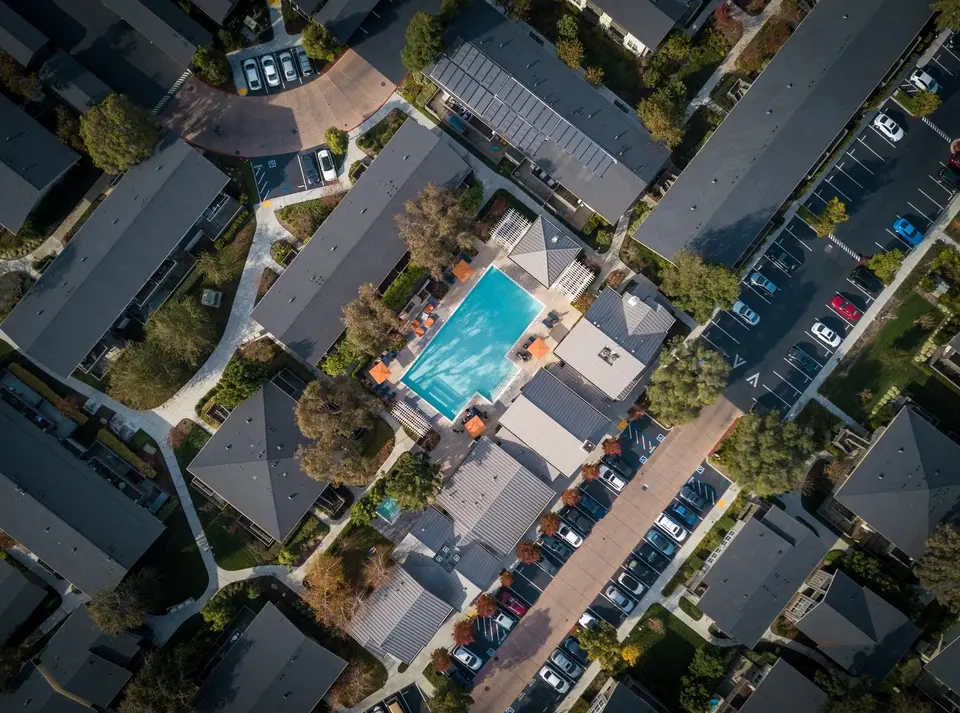
Lake Havasu City grew up around the lake formed by Parker Dam on the Colorado River and is known for boating, tourism and the relocated London Bridge. Marine businesses, resort and commercial construction, housing and utility work bring a mix of lifts here: boats and docks, rooftop equipment, poles and transformers, and building materials for new neighborhoods.
The Crane School provides crane operator training for Lake Havasu employers and residents from our base in Seffner, Florida. We have no office in Mohave County, but we bring instructors and NCCCO accredited practical examiners to employer sites and welcome individuals to our open-enrollment classes.
Because the city is relatively isolated, local employers often rely on a small pool of experienced operators. Training a newer employee to certification level, or adding a rigger or signalperson credential to an existing crew member, gives a business more flexibility when one key person is unavailable.
Heat, Water and Shoreline Ground
Summer temperatures around the lake are among the hottest in the country, which makes early starts, hydration and cab cooling part of every lift plan. Lifts near the shoreline add their own concerns. Sandy or fill soils may not support outriggers the way they appear to, and launching or placing boats and dock sections puts a load out over water where the crew below has less room to move.
Good certification prep reinforces ground assessment, cribbing and load chart discipline. It also emphasizes communication; a certified signalperson through our signalperson program is valuable when the operator cannot see the load at the waterline.
Programs That Fit Lake Havasu Work
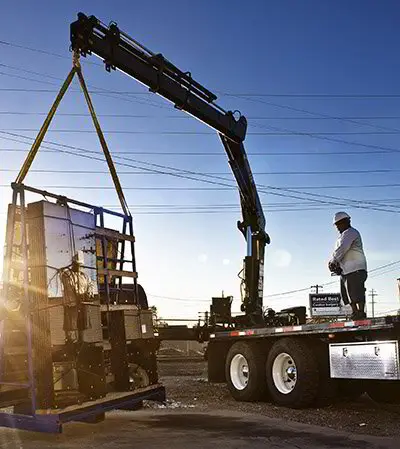
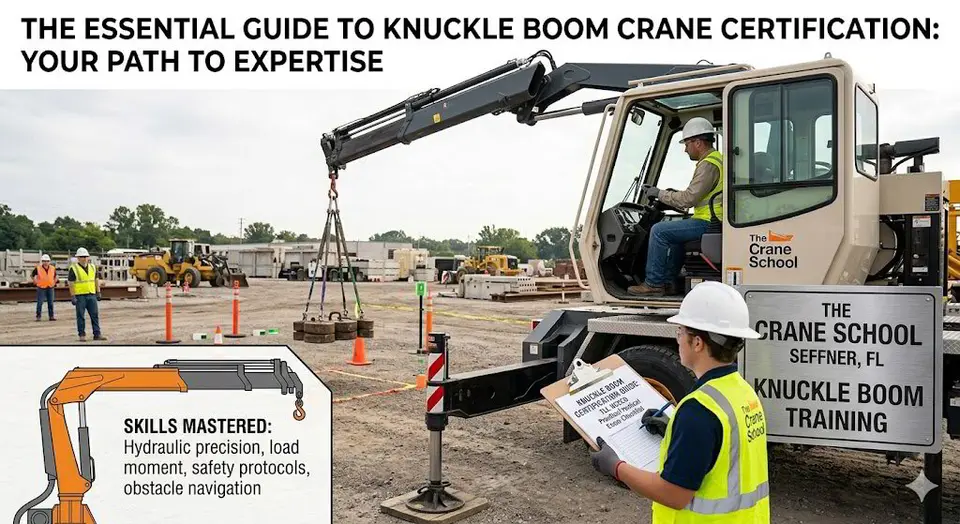
- Knuckle-boom and boom trucks are common for marine and building-supply work. Operators can prepare for NCCCO ABC, ABL or ABW exams through articulating crane prep.
- Mobile crane operators with experience can certify or recertify on TSS, TLL and LAT through our mobile crane certification prep.
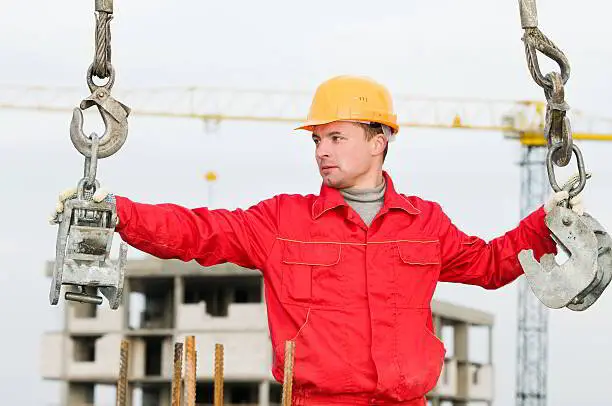
- Riggers handling boats, docks and odd-shaped loads can work toward NCCCO Rigger Level I or II.
Utility crews working near overhead lines should also be fluent in OSHA's power line safety requirements under 1926.1408, a topic our instructors cover in depth.
Working on Both Sides of the River
Lake Havasu crews often take jobs across the river in California or north toward Nevada. Arizona itself has no separate crane operator license, so federal OSHA rules govern here, enforced through the state plan. California and Nevada, however, both have state-level crane operator requirements in addition to OSHA. Confirm current rules with each state agency and NCCCO's state licensing information before you work there. More on the Arizona side is on our Arizona crane school page.
Getting Trained from Lake Havasu City
Employers with several candidates can host an on-site session, with practical exams scheduled on their own equipment where the yard supports the test layout. Individuals usually drive to Las Vegas or Phoenix, each a few hours away, and fly to Tampa International for classes in Seffner. Monthly written exams and current class dates are listed on the schedule page.
When you request on-site training, tell us how many candidates you have, which certifications they need and what equipment is available for testing. Small marine and building-supply companies sometimes pool candidates so one visit covers several employers. Plan sessions for the cooler months if you can; practical exams in midsummer heat are possible but demand very early starts.