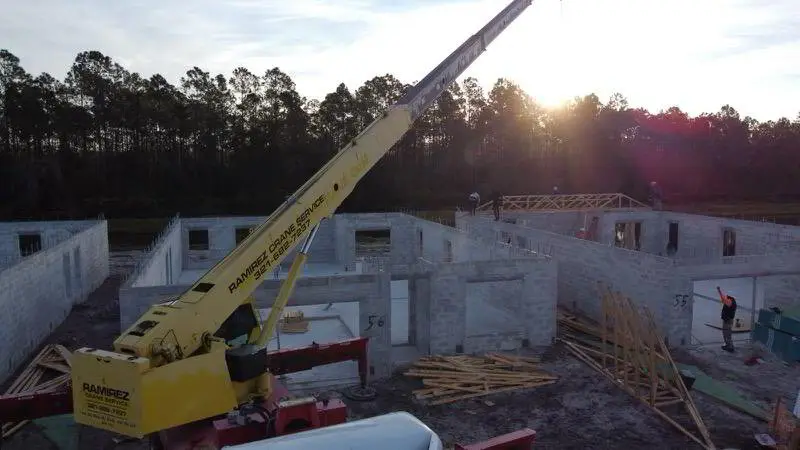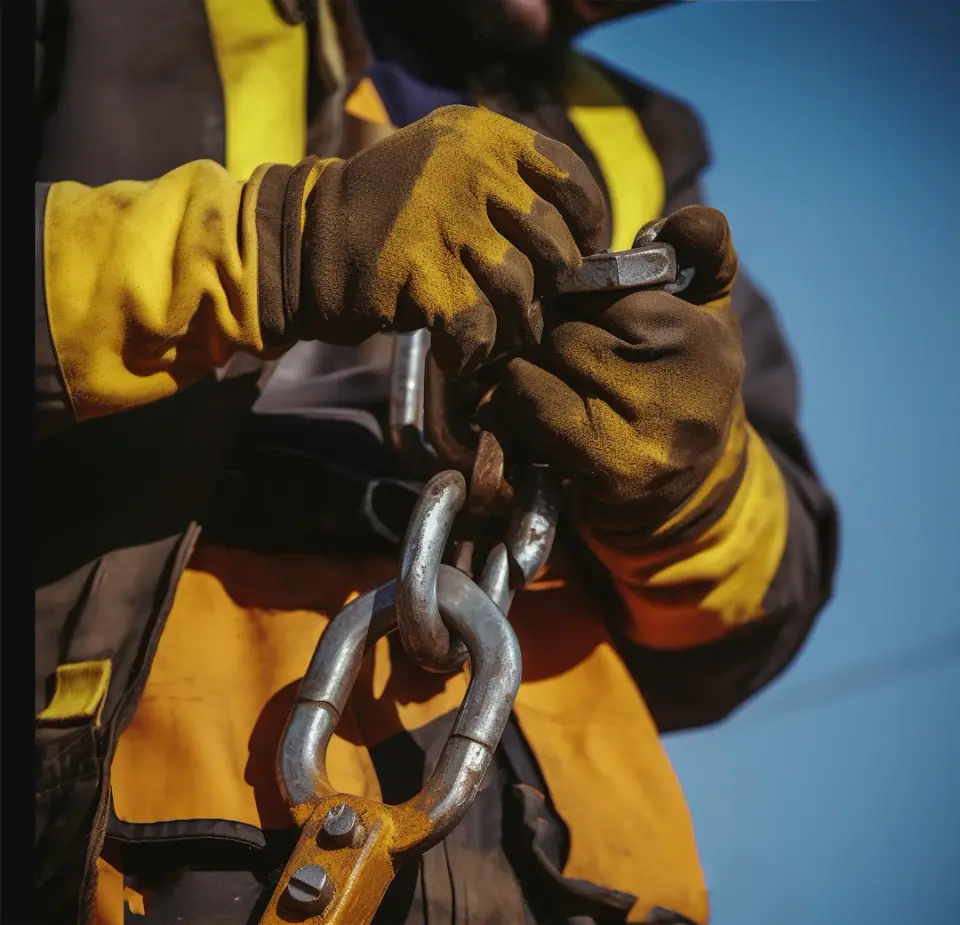

Crane Work Across the Valley of the Sun
Few places in the Southwest keep as many cranes working as greater Phoenix. Large manufacturing and semiconductor facilities, data centers, downtown towers, freeway interchanges, solar arrays and miles of new distribution buildings all keep cranes moving. Many of those owners require documented operator certification before a crane rolls through the gate.
There are two routes to crane operator training for Phoenix contractors. Either we bring instructors and NCCCO accredited practical examiners to your Valley jobsite, or your people fly out and sit in an open class at our Seffner, Florida yard outside Tampa. We do not have a Phoenix office.
Working Safely Through Heat and Monsoon Season
Triple-digit afternoons are routine from late spring on, and the July-to-September monsoon adds abrupt wind and towering dust storms that can wipe out visibility in minutes. Both conditions affect lift planning.
- Heat: crews start early, rotate operators, keep cabs cool and watch for fatigue that leads to mistakes.
- Wind: a storm's outflow often hits before the clouds do, so keep reading the anemometer and stay inside the chart's wind ceiling.
- Dust: no line of sight to the load or the signal, no lift.
These desert conditions come up throughout exam prep; for a deeper look, read our post on running cranes in harsh weather.
Programs Phoenix Contractors Use Most
Valley operators with seat time who are going after TSS, TLL or LAT sign up for our monthly mobile crane prep. On large industrial jobs, owners often expect certified riggers and signalpersons too, so many contractors schedule rigger certification alongside operator prep. Sprawling distribution and solar sites run lots of telehandlers, and their operators can go for the NCCCO THO card.
Superintendents and project engineers whose signatures go on lift plans belong in Managing Crane Safety. Instead of stick skills, that class deals with planning, inspections, OSHA compliance and reducing liability.
On fast-track industrial projects, it pays to certify the whole lift team before mobilization. Owners' safety departments commonly audit cards at the gate, and a missing rigger or signalperson credential can hold up a pick just as surely as an uncertified operator.
On-Site in Phoenix or Training in Florida
With a crew to certify, hosting us cuts out airfare and lets training happen on the machines your operators use every day. We need a suitable area for the NCCCO practical course and cranes in good working order. During summer, practical exams are usually scheduled for early morning hours.
Flying solo? Sky Harbor to Tampa International is the usual route, with a short drive east to Seffner after landing. Since the monthly prep session runs Friday to Monday and wraps with written tests that Monday morning, most students lose just two days on the job. See current dates on the class schedule.
Large Phoenix-area projects frequently bring in operators from other states. Before putting an out-of-state hire in the seat, confirm the card hasn't expired and covers the crane types you're running. NCCCO can verify a card for you, and we can schedule testing for anyone who needs to add a crane type.
Arizona's Regulatory Picture
Arizona does not issue a separate state crane operator license. Arizona runs its own OSHA-approved state plan, which enforces the crane standard on construction sites, including operator certification under 29 CFR 1926.1427. Expect many owners and GCs to ask for more than that minimum. Programs for the rest of the state are listed on our Arizona overview.