Signalperson Exam Tips: How to Prepare for NCCCO Certification

Know What You Are Preparing For
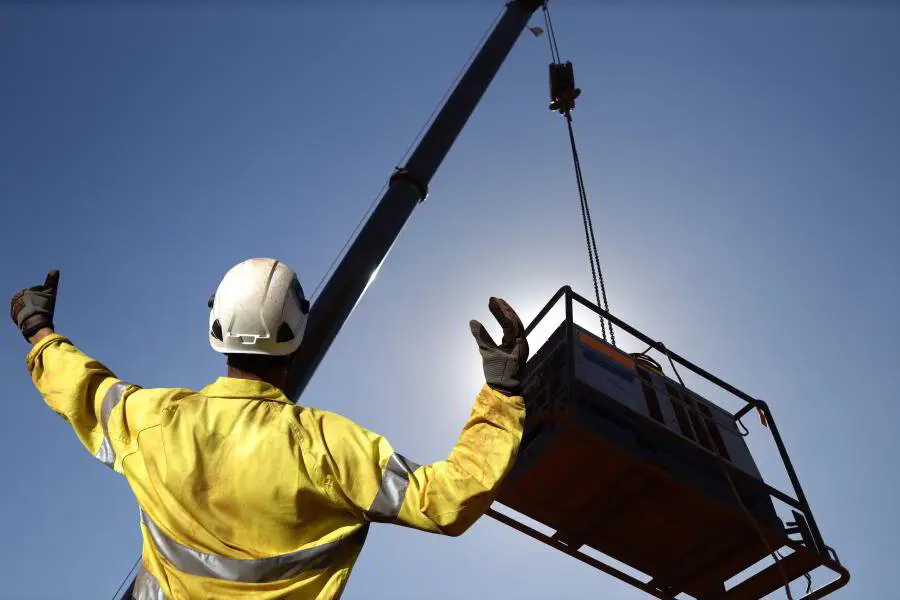
NCCCO Signalperson certification has two parts: a written exam and a practical exam. You need to pass both. The written exam checks your knowledge of signals, crane basics and the rules that govern signaling. The practical puts you in front of a working crane and asks you to direct it through specific tasks.
The best signalperson exam tips come down to one idea: study the way you will be tested. Reading alone won't get you through the practical, and arm-waving alone won't get you through the written. Plan for both.
Tips for the Written Exam
Learn the signal charts cold
Know every standard hand signal for the crane types covered, including the emergency stop and stop. Be able to recognize a signal from a description or a drawing, and describe one from memory.
Understand the why behind the rules
OSHA's signaling rules (1926.1419 through 1926.1422) and the signal person qualification rule (1926.1428) explain when a signal person is required, when voice signals are allowed and what must be agreed before a lift. Questions often hinge on those details.
Study crane basics
You are expected to have a basic understanding of crane operation and limitations, including boom deflection. If you have never been near a crane, ask your instructor to walk you through how booms, hoists and swing functions work.
Use the candidate handbook
NCCCO publishes candidate information that outlines the exam content. Use it as a checklist so nothing on the outline surprises you.
Practice under time limits
Take practice questions in timed blocks so pacing feels normal on exam day.
Tips for the Practical Exam
The practical is where most nerves show up. These habits help:
- Make every signal deliberate. A clear, full-size signal beats a fast, sloppy one. If the examiner can't tell what you meant, the operator can't either.
- Hold your position. Pick a spot where you can see the load and its path and the operator can see you. Move only when you need to, and never into the path of the load.
- Watch the load, not your hands. Your hands should be on autopilot. Your eyes belong on the load and the landing area.
- Use stop freely. If something looks wrong, stopping is never a mistake. Resume once the problem is corrected.
- Speak clearly on voice signals. When using radio, identify the crane, state the function and direction, and keep talking during continuous movement so the operator knows you are still with them.
Common Mistakes That Cost Points
Examiners see the same errors over and over:
- Mixing up similar signals, such as hoist and raise boom, or lower and lower boom.
- Forgetting to signal stop before changing to a new function.
- Standing where the operator has to look into the sun or around an obstruction to see you.
- Rushing through tasks to save time, which leads to load swing and poor control.
- Using non-standard gestures picked up on a job site.
That last one matters more than people expect. Habits that work with a familiar operator can be wrong by the standard. Unlearn them before the exam.
Build a Practice Routine
In the two weeks before your exam, set aside short daily sessions:
- Ten minutes of signal drills. Have someone call out functions while you give the signal, then reverse it: they signal, you name it.
- Mirror work. Watch yourself to check that each signal is full, clear and correctly shaped.
- Radio practice. Script short voice-signal sequences with a partner and run them until they sound natural.
- Crane time if you can get it. Nothing replaces directing a real crane. Classes that include hands-on practice, like The Crane School's 3-day signal class, give you that time before you test.
The Day Before and Exam Day
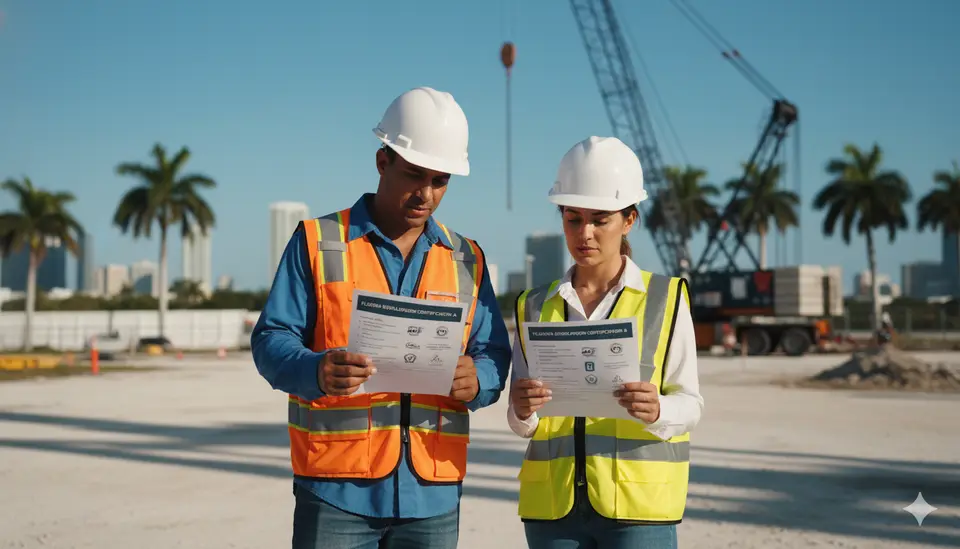
Get the logistics out of the way early. Confirm your exam time and location, and bring a government-issued photo ID. For practicals, wear work clothes, hard-toe boots and a hard hat, and bring sunglasses for outdoor work.
Sleep matters more than a late-night cram session. On exam day, arrive early, listen closely to the examiner's instructions and ask if anything is unclear before you start.
After you pass both exams, you can check results through the MyCCO app. Cards typically arrive in three to five weeks.
How Long to Prepare
Preparation time depends on where you are starting.
Experienced signalers who already direct cranes regularly often need only a refresher on standard signals and the regulations, plus some practice to break job-site habits. A prep class right before the exam usually covers it.
New signalers should plan for more. Learning the full signal set, understanding crane functions and building the confidence to direct a real lift takes repetition. A structured class with hands-on crane time, followed by a few weeks of daily drills, is a realistic plan.
Operators adding signalperson certification have a head start on crane knowledge. Your challenge is the reverse view: thinking from the ground instead of the cab. Spend extra time on positioning and keeping the fall zone clear.
Get Structured Preparation
Self-study can get you through the written exam, but most candidates benefit from guided practice for the practical. The Crane School's Signalperson Qualification and Certification Program combines classroom review with hands-on time, taught by NCCCO certified signalpersons and accredited practical examiners.
New to the topic? Start with signalperson qualification vs. certification to make sure you are aiming for the right credential. Ready to book? Contact us or call (813) 402-2017.
FAQ
Is the signalperson practical exam done with a real crane?
Yes. You direct a crane through set tasks using standard hand and voice signals while an accredited examiner scores you.
What happens if I pass the written but fail the practical?
You can retake the part you failed. Ask your training provider about the retest process and timing before exam day.
How long should I study for the signalperson written exam?
It depends on your background, but short daily sessions over a couple of weeks, combined with a prep class, work well for most candidates.