
California Crane Operator Certification Under Cal/OSHA
California is one of the states most often cited as having its own crane operator requirements on top of the federal baseline. The state enforces workplace safety through Cal/OSHA, an OSHA-approved state plan with its own regulations. Federal OSHA 1926 Subpart CC sets the national framework for construction cranes, and Cal/OSHA's rules must be at least as effective.
Because California's rules can differ in their details, we do not try to summarize them here. Before you work in the state, confirm the current requirements with Cal/OSHA and review NCCCO's state licensing information. What we can tell you is that California crane operator certification for most operators begins with passing accredited written and practical exams, and NCCCO is the certification body our programs prepare you for. NCCCO issues the certification; The Crane School does the training.
Ports, Power Lines and Fault Lines
California's lifting work is as varied as the state. The ports of Los Angeles and Long Beach and the Port of Oakland handle enormous cargo volumes, and port work draws on heavy lift and rigging skills. High-rise and infrastructure construction in the major metros keeps mobile and tower cranes busy. Seismic design means many buildings and bridges are built with heavy steel and precast elements that call for careful lift planning.
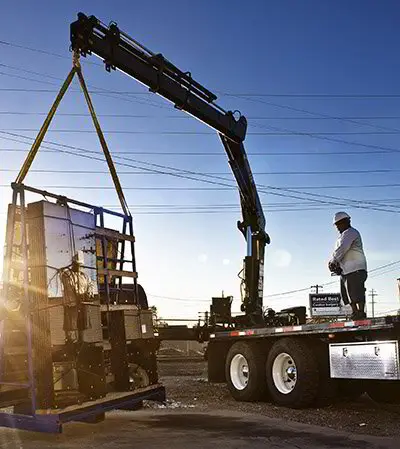
Utilities are another major employer of crane operators, especially on truck-mounted and articulating equipment. Organizations we have trained for include San Diego Gas & Electric and Sempra Utilities. That work often happens near energized lines, so OSHA's power line safety rules in 1926.1408 and good signalperson practice are central to the job.
On-Site Programs for California Employers
Most of our California work is on-site training at an employer's yard or facility. We bring instructors who hold NCCCO certifications, train on your fleet, and our NCCCO Accredited Practical Examiners can hold CCO practical exams at your location. For utilities and contractors with large crews, that keeps trucks in service and avoids flying a crew across the country.
When we plan an on-site visit in California, we ask about your equipment list, the number of candidates and any state-specific requirements your safety team already tracks. That way the training schedule, the exam schedule and your compliance paperwork line up.
Large California employers often run mixed fleets: a few lattice cranes, a yard full of hydraulic cranes and dozens of boom trucks. We can split one visit into tracks so each operator prepares for the NCCCO exams that match the equipment they actually run, instead of sitting through material that does not apply to them.
Traveling to Seffner From California
Individual operators sometimes prefer to come to us. Our only campus is in Seffner, Florida, east of Tampa, and it runs open-enrollment classes on a published calendar. CCO written exams are given every month at the Seffner headquarters, and the yard has cranes ready for practice and practical testing.
That route can make sense for someone between jobs or for a career changer who wants a multi-week course with a lot of seat time. If you are planning the trip, the class schedule calendar shows upcoming dates, and our staff can help with lodging near the training center.
Which California Crews Fit Which Program
- Utility line crews and sign installers running knuckle boom trucks: the articulating crane certification prep for NCCCO ABC, ABL and ABW exams.
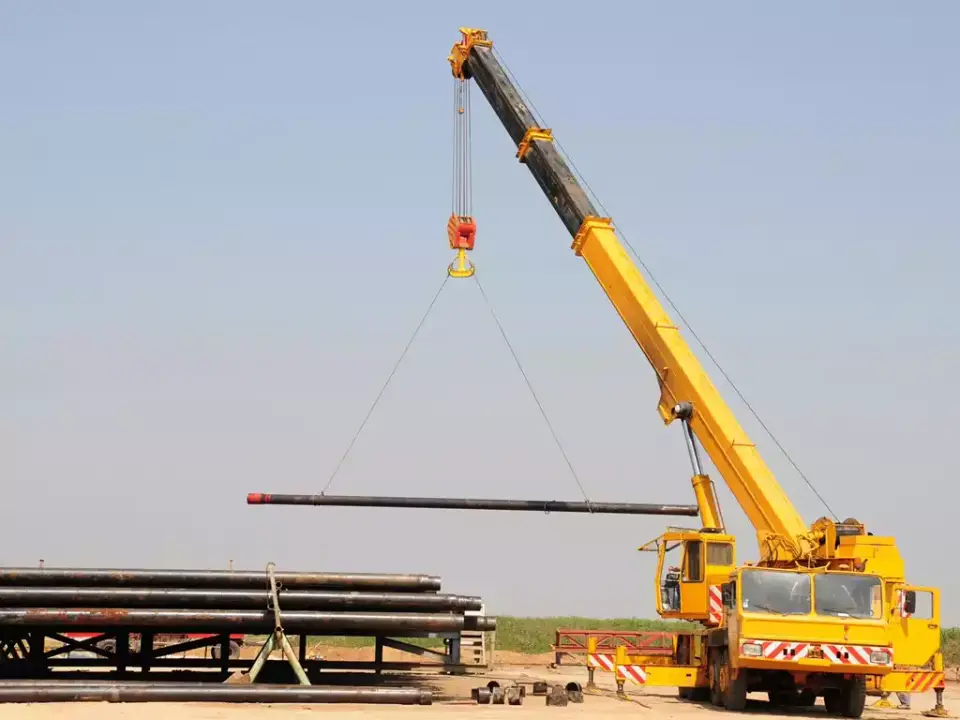
- Construction operators on hydraulic and lattice cranes: the mobile crane operator certification prep program, with TSS, TLL and LAT exams in a four-day format.
- Port, shipyard and steel crews on the ground: the rigger qualification and certification program and signalperson training.
Safety managers responsible for California compliance can add the Managing Crane Safety Class, which covers planning, inspections, certification and responsibilities from the employer's side. If your fleet also needs inspections, see our California crane inspection services.
Career Growth for California Operators
California offers a wide range of crane work, from ports to utilities to high-rise construction. Operators who stack credentials, such as mobile, articulating and rigger certifications, can move between those sectors more easily.
California earnings data comes from the U.S. Bureau of Labor Statistics Occupational Employment and Wage Statistics for crane and tower operators (53-7021); it reports figures for California and its metro areas. Our article on crane industry regulation updates is a good companion as you keep track of rule changes over your career.
Recertification comes around every five years. Because California crews often work under tight compliance programs, many employers track expiration dates centrally and schedule on-site recertification for several operators at once, which keeps anyone from slipping past their card's expiration date.