
San Diego's Waterfront, Bases and Utilities
San Diego Bay is lined with naval installations, shipbuilding and repair yards, and the Port of San Diego's cargo and cruise terminals. Inland, the region adds life science campuses, hospitals, housing and the utility infrastructure that keeps it all running. Lifts here range from ship components and dock equipment to transformers, poles and lab building mechanical units.
The Crane School offers crane operator certification prep in San Diego at employer facilities and at our training center in Seffner, Florida. We have no San Diego office. Organizations we have trained for include San Diego Gas & Electric (SDG&E) and Sempra Utilities.
Training Built for Utility Crews
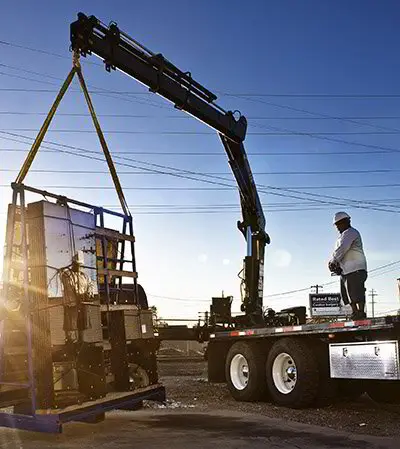
Utility work brings its own lifting challenges: setting poles and transformers along roadways, working near energized lines and moving between dozens of sites in a single week. Many utility crews run knuckle-boom and digger trucks rather than large mobile cranes, and they need certification that matches those machines.
Our articulating crane certification prep prepares operators for NCCCO ABC, ABL and ABW exams. Crews working near overhead lines should be thoroughly familiar with OSHA's power line safety requirements under 1926.1408, a recurring topic in our classes. Field supervisors can add the Managing Crane Safety class for planning, inspection and liability training.
Shipyards, Bases and Construction Sites
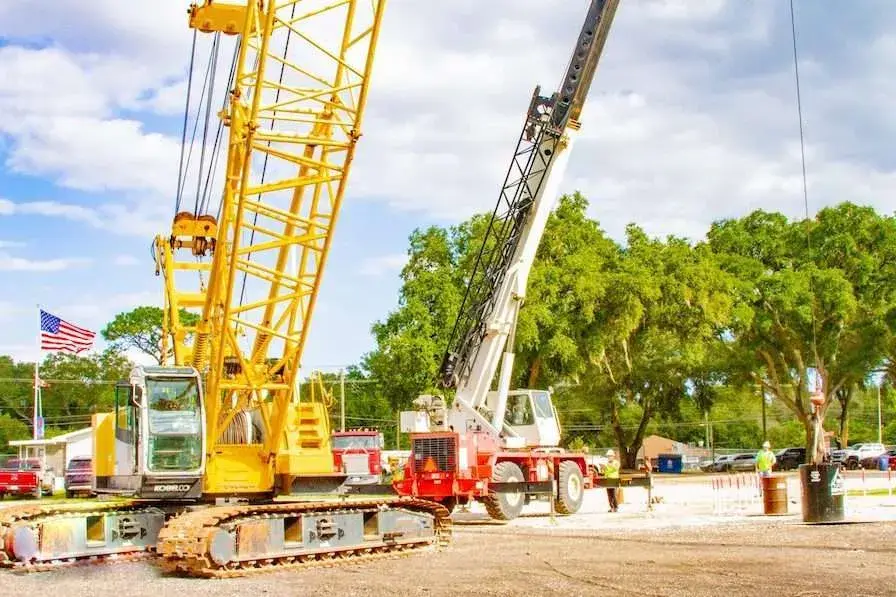
Waterfront and military work rewards operators and riggers who can handle heavy, irregular loads in coastal wind and salt air. Experienced operators preparing for NCCCO TSS, TLL or LAT can use the mobile crane certification prep program, and riggers can prepare for Rigger Level I and II. Military and federal facilities often carry badging and escort requirements, so plan on-site training with extra lead time.
San Diego's mild climate is an advantage for outdoor practical exams most of the year, although Santa Ana winds and marine layer fog occasionally require schedule changes.
Salt air is hard on equipment. Wire rope, sheaves, pins and electrical components corrode faster near the water, so frequent inspections and thorough pre-shift checks matter more here than at an inland site. Our NCCCO certified inspectors can perform annual, monthly and post-incident inspections for waterfront fleets, and load testing when required.
How San Diego Employers Train
On-site training brings our instructors and NCCCO accredited practical examiners to your yard, where candidates can test on your equipment if the site meets NCCCO test requirements. That approach works well for utility service centers and shipyard training areas.
Individuals can fly from San Diego International to Tampa International, then drive about twenty minutes east to Seffner. CCO written exams are offered every month at our headquarters, and our NCCCO exam tips article can help you prepare. Bring hard-toe footwear, a hard hat, gloves and work clothes, along with government-issued photo ID and a valid driver's license.
Shipyard and base work can involve escorts, background checks and site-specific safety briefings for visiting instructors and examiners. Send those requirements with your training request, along with the crane types and capacities available, so we can plan the visit without delays at the gate.
California's Added Requirements
In California, crane operators face state-level requirements beyond the federal OSHA standard. Confirm the current rules with Cal/OSHA and check NCCCO's state licensing information before you operate. Our California crane certification page covers the rest of the state.