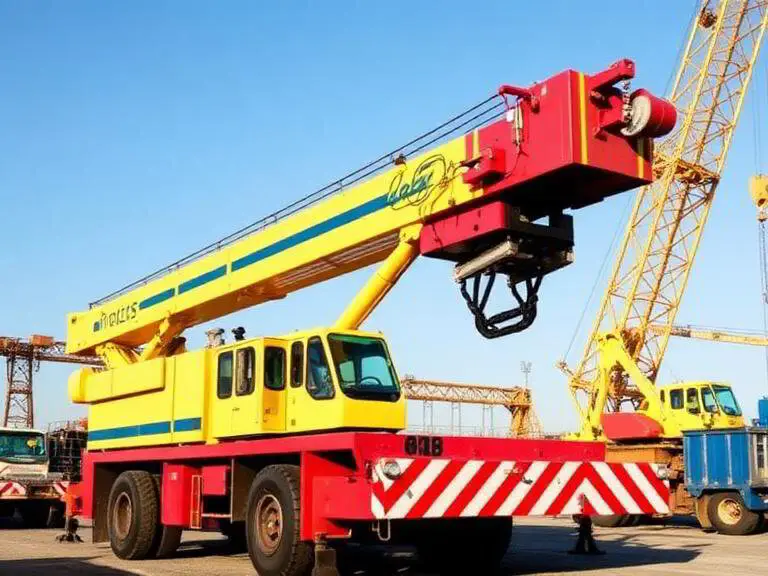
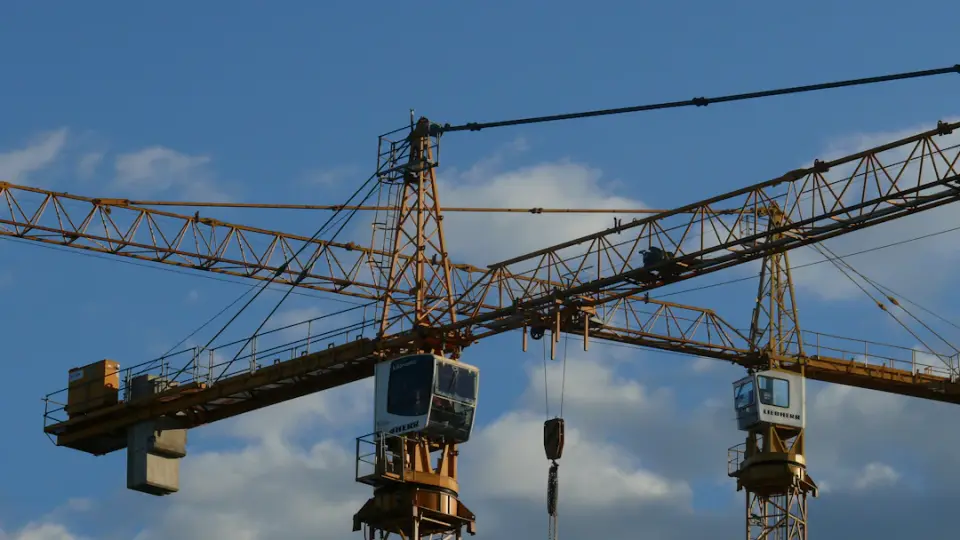
Crane lifting equipment at an industrial facility on the Snake River Plain near Idaho Falls, Idaho
Idaho Falls & the Snake River Plain

Crane Certification Prep for Idaho Falls and Eastern Idaho

Eastern Idaho employers can bring NCCCO crane, rigger and signalperson prep to their own facility, with practical exams on familiar equipment.

Idaho Falls crane certification for energy, research and agriculture

Idaho Falls sits on the Snake River in eastern Idaho, and its economy is closely tied to the Idaho National Laboratory west of town, along with agriculture, food processing and the businesses serving a growing region. Crane work here ranges from research and industrial facility projects to potato storage and processing plants, commercial building and highway work.

The Crane School provides crane certification prep in Idaho Falls by traveling to employers. We have no eastern Idaho office; our only training center is in Seffner, Florida. Instructors deliver classroom prep at your site, and accredited practical examiners on our staff test candidates on your cranes.

Meeting the expectations of energy and federal sites

Energy and federal research facilities are known for rigorous safety programs. Contractors working there may need to document operator certification, rigger and signalperson qualifications, lift plans and equipment inspections. Our programs help crews meet those expectations.

For operators

The mobile crane certification prep program prepares experienced operators for NCCCO TSS, TLL and LAT exams.

For ground crews

Our rigger qualification and certification program and signalperson training prepare candidates for NCCCO written and practical exams, which owners increasingly expect on complex lifts.

For supervisors

The Managing Crane Safety class gives project leads and safety staff a clear picture of OSHA requirements, responsibilities, planning and inspections, so they can review lift plans with confidence.

Wind and winter on the plain

The Snake River Plain is open, high country, and wind is a constant companion. Gusts can build quickly with passing storms, and wide-open sites offer little shelter. Winters are long and cold, with snow, ice and frozen ground that changes as it thaws in spring.

Lift planning here starts with the weather. Operators need to know the wind limits for their machine and load, how to judge ground bearing as frost leaves the soil, and how to perform cold-weather startups and inspections. Our instructors make these topics part of on-site practical training.

The short outdoor season affects scheduling too. Many eastern Idaho employers book classroom prep in late winter and practical exams once ground and weather allow, so crews are certified before the busiest months. Agricultural operations add another rhythm: harvest and storage seasons can make it hard to free up people, so plan training around them.

Federal rules apply in Idaho

Idaho does not appear on the commonly cited list of states with separate crane operator licensing; federal OSHA rules govern, and facility owners, particularly federal and energy sites, often require more. Our Idaho crane school page has more statewide information, and our article on understanding crane operator certification requirements explains the federal baseline.

Training in Florida instead

Individuals can travel to Seffner for open-enrollment classes. From Idaho Falls, that usually means a connecting flight into Tampa International. Written CCO exams run monthly in Seffner, and new operators can enroll in the full-time 3-week or 5-week initial program there, which meets Monday through Thursday. For one or two people, the trip can be simpler than hosting a class; for a full crew, bringing us to eastern Idaho usually wins. Contact us to compare on-site and Florida options, and we will help you weigh the cost and time of each.

Frequently Asked Questions

Can you train contractors who work at energy or research sites near Idaho Falls?

Yes. We can train at your own facility or yard and schedule NCCCO practical exams there. Training inside a secure site depends on that site's access rules.

How does winter affect on-site training in eastern Idaho?

Classroom prep can happen any time, but practical exams depend on safe conditions. Many employers schedule exams for spring through fall.

Do riggers need NCCCO certification?

OSHA requires qualified riggers for many construction crane activities. NCCCO Rigger certification is one way to demonstrate qualification, and many owners require it.

The Crane School

Training Programs & Services

All programs are delivered in compliance with current OSHA regulations.

Mobile Crane Operator Certification Prep Program

For experienced operators ready to certify or recertify. Includes NCCCO TSS, TLL and LAT written and practical exams.

Learn more about Mobile Crane Certification Prep

Initial Mobile Crane Operator Training Program

For people with little or no crane experience. 3-week (TSS/TLL) and 5-week (adds LAT) programs with NCCCO exams.

Learn more about Initial Mobile Crane Training (3 & 5 Week)

Articulating Crane Operator Certification Prep Program

For knuckle-boom operators. Prepares you for the NCCCO ABC, ABL and ABW written and practical exams.

Learn more about Articulating Crane Certification Prep

Rigger Qualification / Certification Program

For personnel who rig loads to cranes — supports your rigger qualification and NCCCO Rigger Level I/II exams.

Learn more about Rigger Level 1 & 2

Signalperson Qualification / Certification Program

Standard hand and voice signals for directing cranes, plus preparation for the NCCCO Signalperson exams.

Learn more about Signalperson

Managing Crane Safety Class

For managers and supervisors: OSHA compliance, lift planning, inspections, certification and liability.

Learn more about Managing Crane Safety

Telehandler Operator Program

Certification or recertification for telehandler operators. Includes the NCCCO THO written and practical exams.

Learn more about Telehandler Operator

Crane Inspection Services

Annual, monthly, post-assembly and post-incident inspections plus load testing by NCCCO-certified inspectors.

Learn more about Crane Inspections

Related Reading

Crane Operator Practice Test

Ten quick questions on crane safety rules and NCCCO basics. Pick one answer per question — your score shows on the next page.

1. Which OSHA standard covers cranes and derricks used in construction?
2. How long is an NCCCO crane operator certification valid before recertification?
3. What does NCCCO stand for?
4. Under OSHA's current construction crane rule, operator certification must be obtained by:
5. Under OSHA Table A (1926.1408), what is the minimum clearance from power lines rated up to 50 kV?
6. When is a signal person required?
7. Whose emergency stop signal must a crane operator obey?
8. What does an anti-two-block device prevent?
9. Which document gives a crane's rated capacity for a given boom length and radius?
10. Which NCCCO designation covers telescopic boom cranes with a swing cab?