
Boise's growth and the lifts behind it
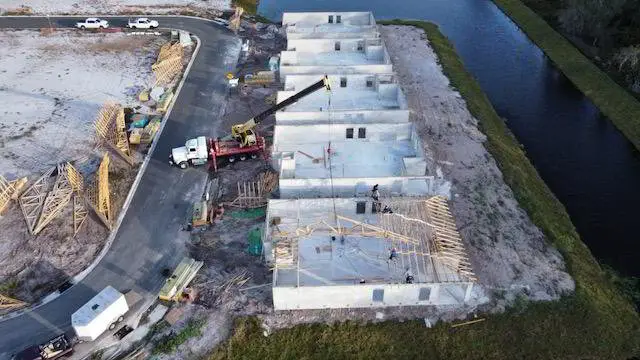
As Idaho's capital and biggest city, Boise has grown faster than most of the Mountain West. You can see it in downtown apartment and office towers, hospital and campus expansions, sizable tech and manufacturing plants, and road and utility jobs scattered across the Treasure Valley. Every one of those projects puts cranes to work, and every crane needs an operator who can run it safely.
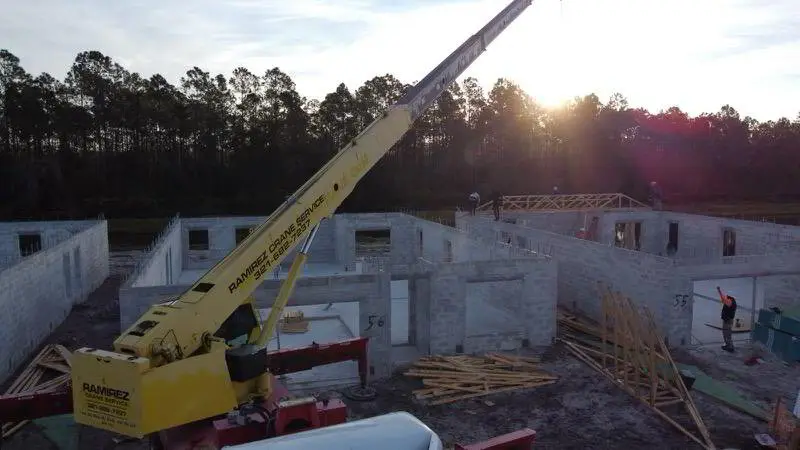
Through crane operator training in Boise, The Crane School helps employers get their people ready for NCCCO testing. Nothing about that requires an Idaho office: our training center sits in Seffner, Florida, and our instructors and accredited practical examiners come out to you.
Large industrial projects and the paperwork they bring
In most regions, the toughest crane rules come from big tech and manufacturing owners. Before a crane even sets up, they may want proof of certified operators, qualified riggers and signalpersons, written lift plans and current inspections. A contractor without crews who can produce those credentials won't get through the gate.
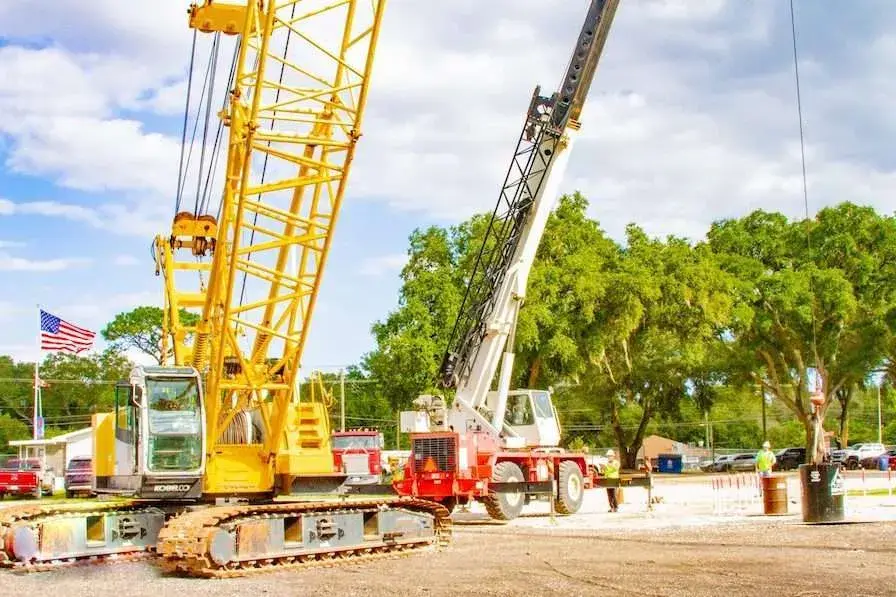
Bringing training on-site lets a Boise employer certify a whole group in one push. Operators with experience get ready for TSS, TLL and LAT through our certification prep for experienced mobile operators, testing on your own machines for the practical. Project managers and safety staff can sit the crane safety class for managers, which deals with OSHA compliance, lift planning, inspections and liability.
Plenty of Boise crews never touch a big crane. Sign shops, HVAC firms and building-supply yards rely on knuckle-boom trucks, and home builders use telehandlers constantly. During the same visit, those operators can prep for NCCCO articulating (ABC, ABL, ABW) or telehandler (THO) exams, letting one trip handle a mixed fleet, with riggers and signalpersons added if needed.
High desert seasons
Treasure Valley weather is classic high desert: summers that are hot and dry, winters with occasional snow and ice, and gusts that can build fast when a front passes through. In July, water breaks and a tolerable cab become safety matters; in January, operators face frozen ground, slick access paths and hydraulics that have cold-soaked overnight.
We cover both extremes in training: the manufacturer's wind limits, how freeze-thaw changes ground support, and ways to stay alert through a long hot shift. Our article on working cranes safely in harsh weather has more.
Idaho follows federal OSHA
Because Idaho doesn't typically appear among the states with separate crane licensing, the federal OSHA standard is what applies: 29 CFR 1926 Subpart CC, including operator certification under 1926.1427. Owners and GCs are free to raise the bar, and many do. Statewide details are on our Idaho crane certification page.
Boise crane operator training in Florida: flying to Seffner
If you'd rather train in a scheduled class, flights from Boise to Tampa International usually involve one connection. Newcomers can enroll in the 3-week or 5-week entry-level mobile crane course, held Monday to Thursday, while operators with experience can join the Friday-through-Monday prep session held monthly. Call or message our office about dates and help with lodging.
Pack hard-toe footwear, a hard hat, gloves, sunglasses and work clothing, along with government-issued photo ID and a valid driver's license. Coming from Boise's dry air, you'll notice the Florida humidity, so drink more water than usual out in the yard.