
Crane operator training in Pocatello, a rail town with industrial roots
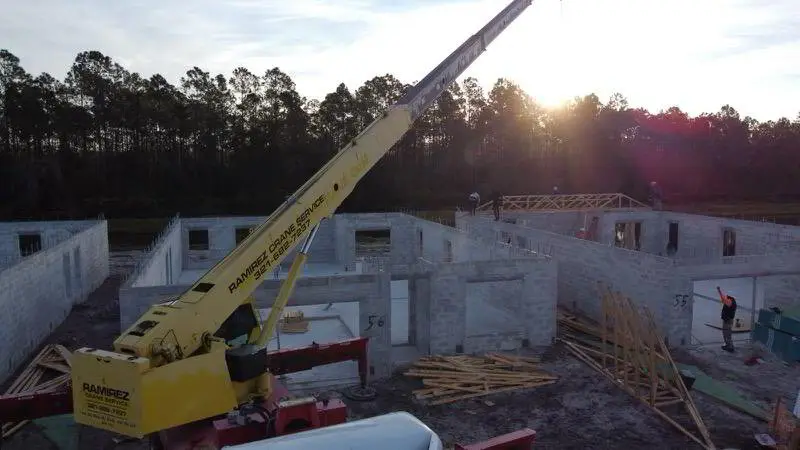
Pocatello grew up as a railroad town, and rail and industry still shape the Portneuf Valley alongside Idaho State University and a growing regional medical sector. The city sits where I-15 meets I-86, making it a hub for freight and distribution in southeast Idaho. Crane work here includes plant maintenance and expansion, rail-related lifting, campus and hospital construction, and highway and bridge projects.
For crane operator training in Pocatello, The Crane School brings NCCCO prep to your facility. We are based in Seffner, Florida, with no Idaho office; our instructors and accredited examiners travel to employers.
Recertification for experienced crews
Many Pocatello-area operators have years in the seat and simply need to keep their CCO cards current. Certifications are valid for five years, and we recommend starting recertification prep during the final year.
Our mobile crane certification prep program is built for those operators. It reviews load charts, regulations and operating practices and prepares candidates for the TSS, TLL and LAT written and practical exams. When held on-site, a recertification class lets an entire crew renew together without leaving southeast Idaho. For tips before exam day, read how to pass the NCCCO exam on your first try.
Heavy, awkward loads in industrial settings
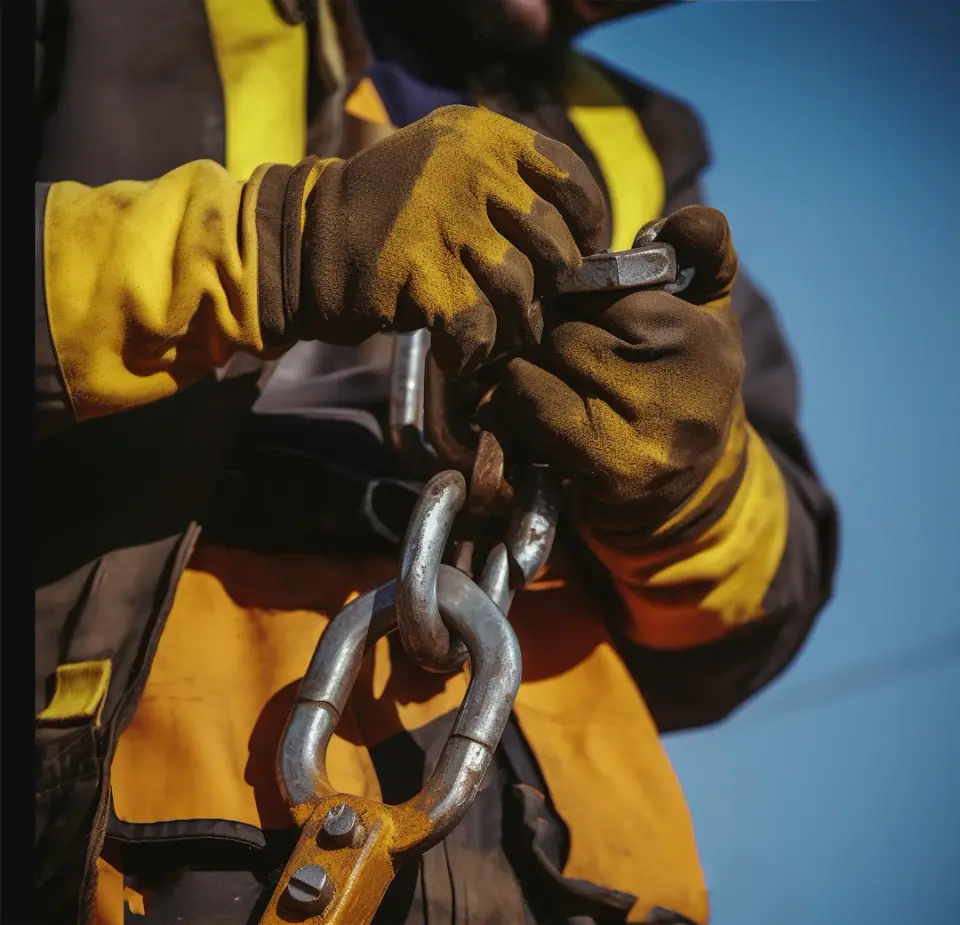
Across the valley, industrial and rail lifts tend to involve heavy, irregular components: motors, tanks, structural members and track equipment. Getting them in the air safely depends on accurate weights, correct sling selection and clear communication with the operator.
Our rigger qualification and certification program covers Rigger Level 1 and Level 2 and prepares candidates for NCCCO exams. Signalperson training standardizes hand and voice signals for crews working around noise and limited sight lines. Together, these programs give Pocatello employers a fully trained lift team.
Near active rail lines, lifts also have to be coordinated with train movements and the railroad's own safety rules. That makes clear communication between the crane crew, site supervision and railroad personnel especially important.
Valley wind and mountain winters
The Portneuf Valley funnels wind, and gusty conditions are common in spring and with passing storms. Winters bring snow, ice and cold temperatures that affect ground conditions, machine startup and the dexterity of riggers handling slings and tag lines. Instructors cover wind limits, winter inspections and safe access during practical sessions.
Sloped ground is another local factor. Sites on the valley's benches and hillsides may need careful leveling, cribbing and attention to how a crane's capacity changes when it is out of level. Operators who understand those limits, and who will stop a lift that does not look right, are the ones employers want on their crews.
Idaho rules and traveling to Florida
Federal OSHA rules govern crane operators in Idaho, which is not among the states commonly cited for separate crane licensing; owners and employers may require more. Our Idaho crane training page has more information. Individuals who prefer to train in Seffner usually fly into Tampa International with at least one connection. Newcomers to the trade can enroll in the full-time 3-week or 5-week initial program there, while working operators can come for the monthly Friday-to-Monday prep weekend. Contact us to plan either option.