One Metro, Two States, Plenty of Lifts
Kansas City, Kansas shares a metro area with Kansas City, Missouri, and crews here cross the state line constantly. The region is a major rail and trucking hub where the Kansas and Missouri rivers meet, with automotive and other manufacturing, large warehouse and distribution buildings, and ongoing road and bridge work.
We serve Wyandotte County employers with crane operator training that comes to them; once the coaching is done, an accredited examiner from our staff can give the NCCCO practical on the company's own machines. Workers going it alone sign up for a public class near Tampa. We do not have a Kansas City office; scheduling is handled by our Florida staff.
Rail, Warehouses and River Bottoms
Much of Kansas City's industrial land sits in river bottoms, where rail yards, terminals and plants share flat, sometimes soft ground. Cranes there lift rail components, structural steel, precast panels and plant equipment, often next to active tracks or traffic. On bottomland like that, checking the soil and overhead clearance is just as important as reading the chart.
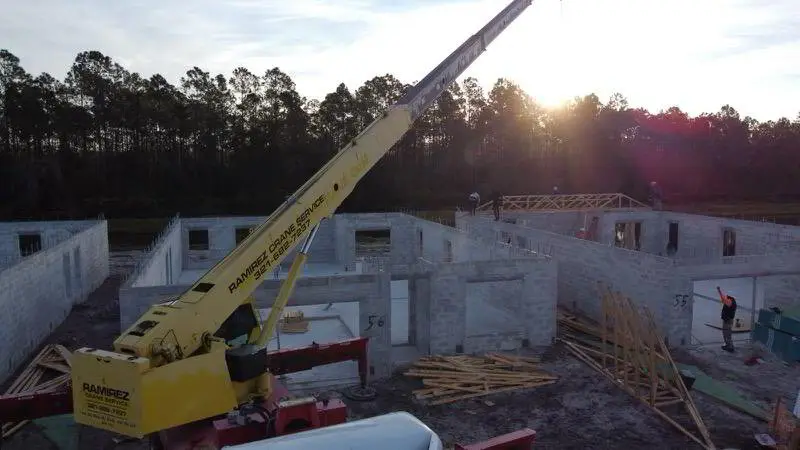
Out on the fringe of the metro, warehouse jobs look different. Multiple cranes and telehandlers race to stand up concrete walls and steel while trucks and machines weave around them. Clear communication, swing control and well-trained signalpersons keep that pace from turning into a hazard.
Programs for Kansas City Crews
For a working operator chasing a first card or a renewal, the best match is our mobile crane exam prep for NCCCO TSS, TLL and LAT. Warehouse builders tend to bundle in telehandler certification training for the people moving materials.
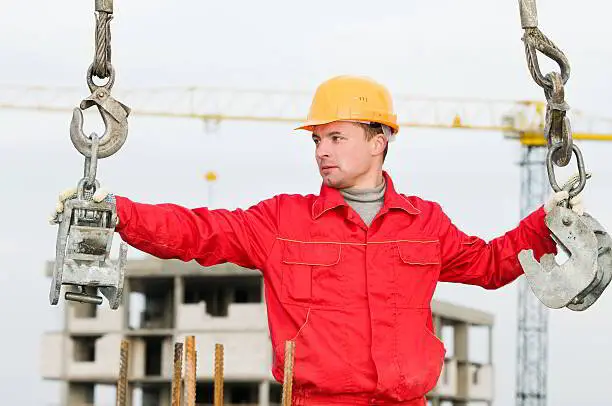
- Rail-yard and plant maintenance hands: Level I/II rigging plus signalperson training
- Greenhorns: our Seffner beginner course, three weeks or five
- Project managers and safety staff: Managing Crane Safety
Not sure which bucket someone falls into? List the equipment they operate and we will point to the right tests.
Kansas, Missouri and Federal Rules
Neither Kansas nor Missouri is on the commonly cited list of states with their own crane operator licensing, so federal OSHA rules govern on both sides of State Line Road. Under 29 CFR 1926.1427, anyone running a crane in construction needs a type-specific card from an accredited certifier, and NCCCO is one. Contracts frequently go further than OSHA.
Statewide notes for Kansas are on this overview. For the regulation itself, OSHA publishes the full text of 1926.1427 (opens in a new tab).
Planning On-Site Training or a Florida Trip
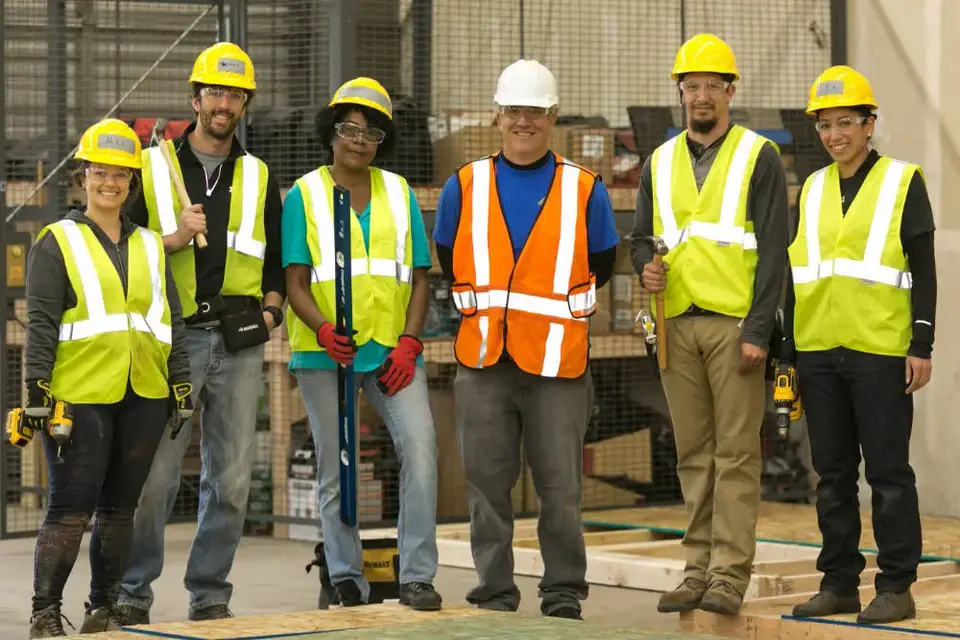
Groups get the most out of a site visit. We show up with instructors and course material, you furnish the machines and a safe practice area, and nobody has to leave town. Spring storms and tornado season can interrupt outdoor sessions, so build in a weather day if you can.
For one or two candidates, Seffner may be simpler. Florida hosts the operator prep every month on a Friday-through-Monday cycle, along with a monthly written CCO date. The session calendar lists what is coming up.
Either way, it helps to jot a few things down before you call: who is testing, what each person operates, whose CCO card lapses within twelve months, and whether the practical should be on your iron. That information lets us quote and schedule quickly, and it often reveals a rigger or signalperson who should be trained alongside the operators.