
Federal OSHA Sets the Standard in Kansas
Federal OSHA covers private employers across Kansas, and no state agency licenses crane operators. For construction cranes, the controlling regulation is 29 CFR 1926 Subpart CC. Under section 1926.1427, every operator needs certification from an accredited tester for each type of crane they run, and the employer has to evaluate that person on the actual machine before handing over work.
So for most people, Kansas crane operator training really means getting ready for accredited exams. NCCCO is the program Kansas employers see most often. We prepare you; NCCCO issues the certification. Bigger owners sometimes want to see more, such as certified riggers and signalpersons on the job.
Certification is also only part of the picture. That same regulation also requires an employer evaluation on the specific crane you will operate, plus training on any machine you have not run before. Companies that fold these steps into a written crane program can show at a glance who is cleared for which machine, which customers, insurers and auditors appreciate.
Aircraft, Grain and Energy on the Plains
Kansas has a distinctive mix of industries. Wichita is widely known for aircraft manufacturing, and aerospace plants need precise lifts of large, high-value components. Agriculture dominates much of the state, with grain elevators and storage facilities that require construction and maintenance lifts. Meat processing plants in southwest Kansas run their own maintenance work.
Oil and gas production and wind energy both have a long footprint on the Kansas landscape, and the Kansas City metro area on the state's eastern edge keeps commercial and infrastructure construction busy.
No two of these sectors lift the same way. Grain work often means tall structures and long reaches; aerospace work means slow, precise placement; energy work can mean remote sites far from support. Prep that mirrors your crew's real daily lifts pays off long after exam day.
Wind and Storms: Planning Lifts in Kansas
On the plains, wind shows up almost every day, and often it decides whether a pick goes ahead at all. Know the wind limits for your crane, understand how a broad, flat load catches air and loads the boom, and recognize the point where work has to stop. Spring and summer storms, including the risk of tornadoes and lightning, can develop quickly.
A good Kansas crew has a clear plan for securing the crane, stopping a lift in progress and getting people clear. Before storms arrive, read our guide to crane emergencies and how to respond.
Two Ways for Kansas Crews to Train
On-site training means we come to your Kansas yard, plant or jobsite, teach on your own machines, and bring NCCCO Accredited Practical Examiners to test candidates where they work. That is often the best fit for manufacturers, utilities and contractors with several candidates.
Solo candidates can come to open-enrollment classes at our sole campus, located in Seffner, Florida, just east of Tampa. Seffner also hosts the NCCCO written exams each month. Kansans typically fly into Tampa International; dates are posted on the training schedule.
Timing matters for an on-site visit. Harvest season, planned plant outages and the spring storm season all affect when crews and cranes are available. Tell us how many people need training and which weeks you can free up, and we will lay out classroom, practice and exam days to fit. We will also want to know that you have a classroom and a flat spot big enough for the practical test course.
Picking a Program for Your Kansas Crew
- Seasoned operators going for a first card or renewal: mobile crane certification prep covering TSS, TLL and LAT.
- Telehandler hands on farms, at plants and on jobsites: our telehandler course, aimed at the NCCCO THO exams.
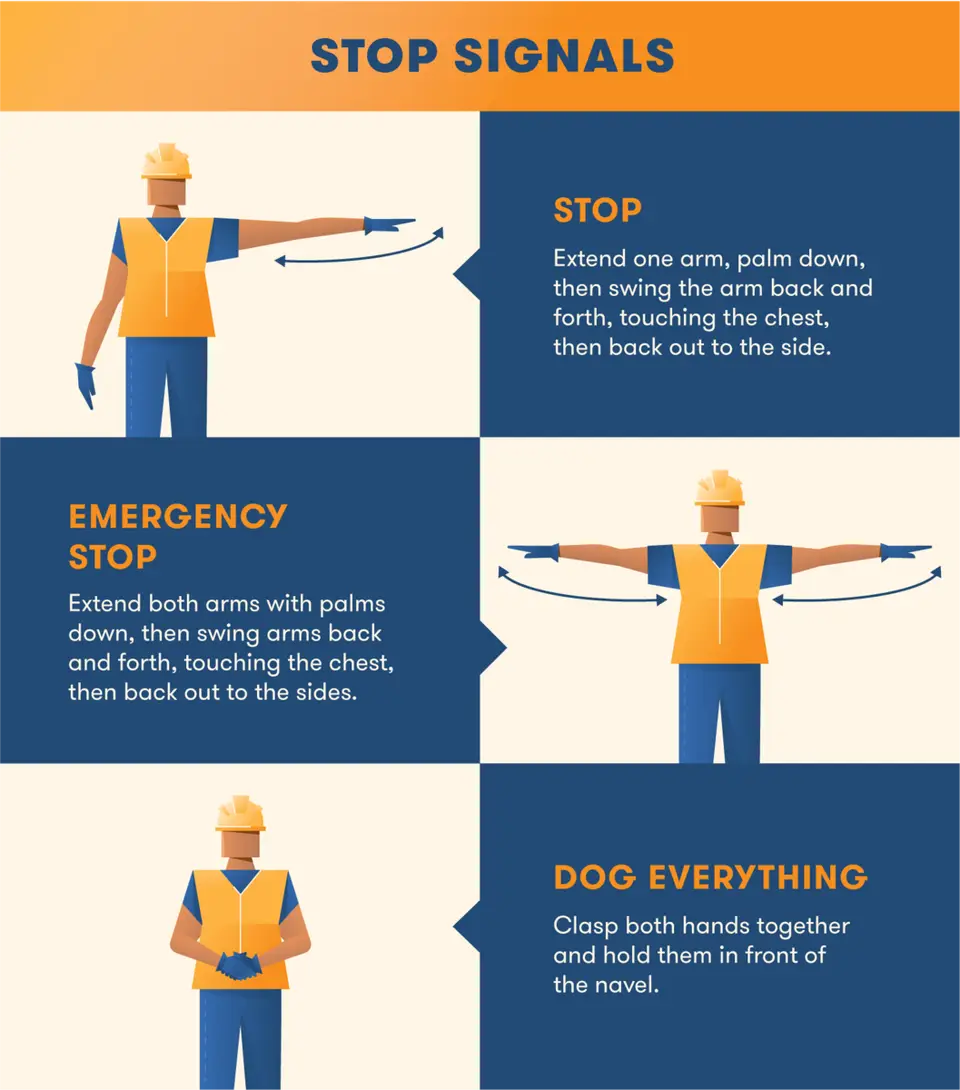
- Ground crews who direct the load: the signalperson qualification and certification program, plus rigger training.
Anyone without crane experience belongs in the 3-week or 5-week beginner course, which puts hours at the controls ahead of the exams.
Career Paths for Kansas Operators
Kansas operators who are certified on several types of equipment can move between aerospace, agriculture, energy and construction work as demand shifts. Why the card is worth having is the subject of our post on five benefits of crane operator certification.
We do not quote wages; the U.S. Bureau of Labor Statistics publishes Occupational Employment and Wage Statistics for crane and tower operators (53-7021) with figures for Kansas and its metro areas. Plan on recertifying every five years to keep the card active.
Many Kansas riggers and signalpersons on grain and energy jobs step up to the operator's seat over time, and seasoned operators frequently grow into lift planning and supervisory roles.