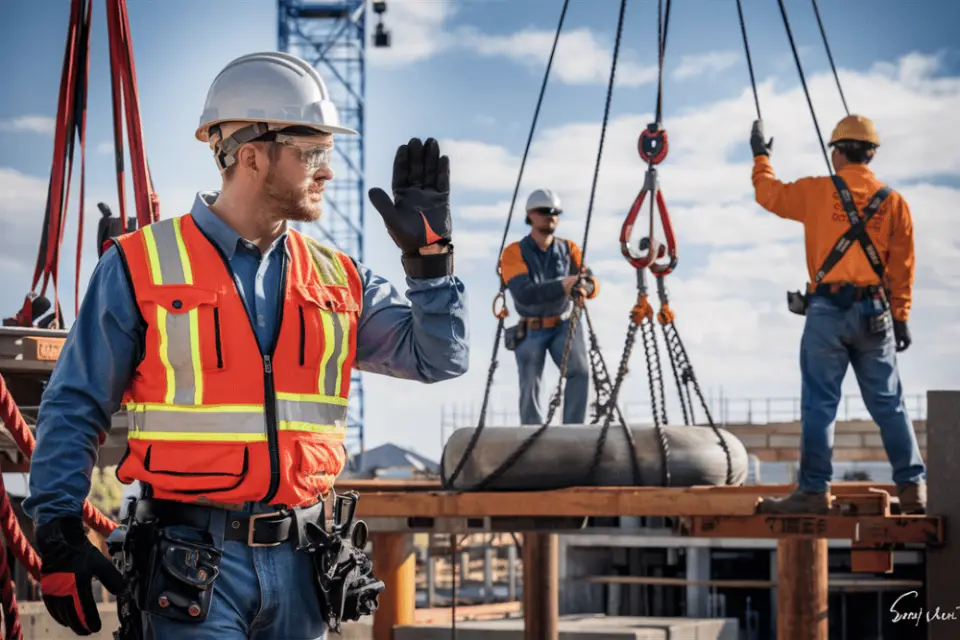
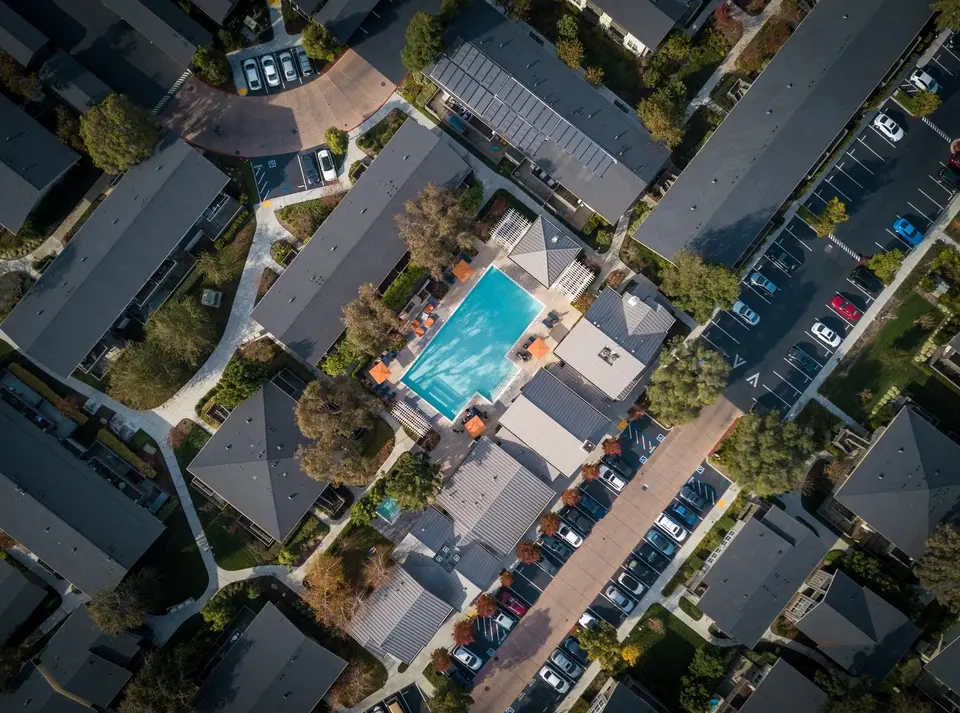
Riggers guiding a large component with a spreader bar inside an aircraft manufacturing plant in Wichita
Wichita, Kansas

NCCCO Crane and Rigging Training in Wichita, Kansas

Practical certification prep for the operators and riggers behind Wichita's aircraft plants, construction sites and grain facilities.

Lifting in the Air Capital

Wichita is widely known as the Air Capital of the World because of its long history in aircraft manufacturing. Plants and suppliers across Sedgwick County move fuselage sections, tooling and machinery with overhead cranes, hoists and mobile cranes, and the precision expected on those floors carries over to every lift.

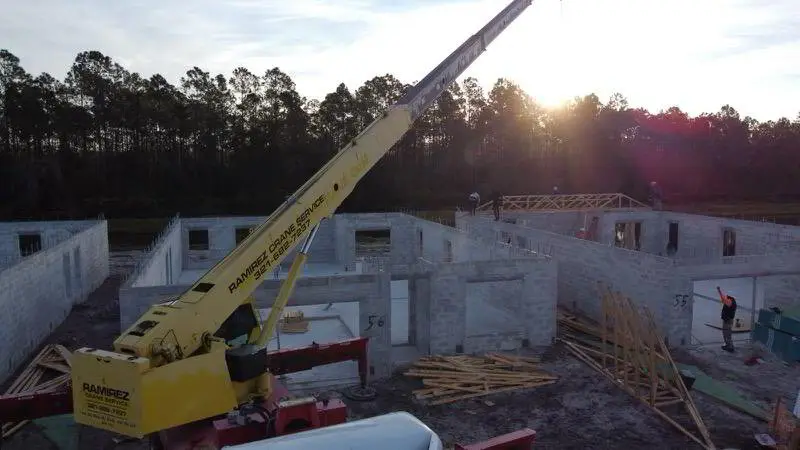
The region also has a busy construction sector, oil and gas service work, and grain handling across the surrounding farmland. The Crane School supports all of it with NCCCO crane training delivered at your facility, or with open-enrollment classes at our training center in Seffner, Florida. There is no Wichita office.

Precision Rigging for Manufacturing

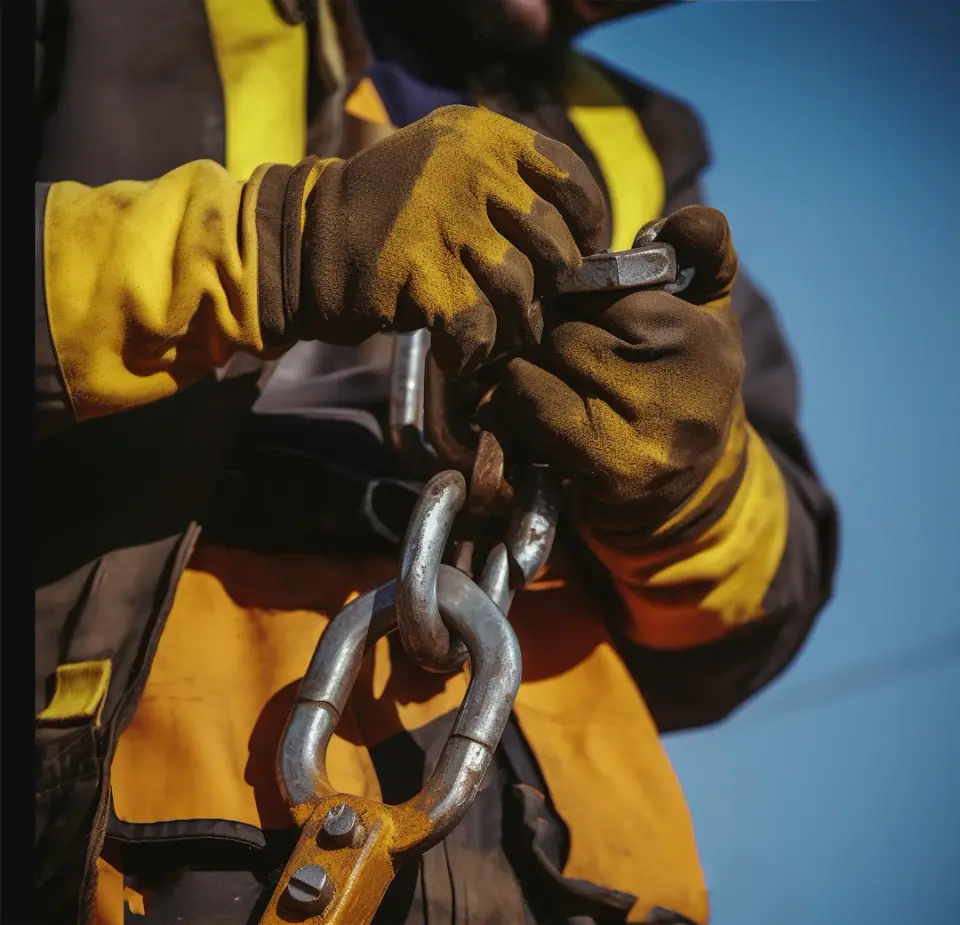
In aerospace and precision manufacturing, the load is often expensive, oddly shaped and sensitive to how it is supported. Riggers need to understand center of gravity, sling angles, spreader bars and below-the-hook devices, and the crane or hoist operator needs a clear line of communication with them.

Our rigger qualification and certification program supports a company's internal rigger qualification and prepares candidates for NCCCO Rigger Level I and II exams. Pair it with signalperson training and you have a floor crew that plans and executes lifts the same way every time. For an overview of how these skills fit together, see our article on rigger and signalperson training.

Wind on the Plains

South central Kansas is windy, and spring brings thunderstorms and tornadoes. Wind is one of the most common factors in crane incidents, and on open ground there is little to block it. Operators need to know their manufacturer's wind limits, understand how large flat loads like wall panels catch the wind, and be willing to stop work.

We stress those decisions during hands-on practice, because a good operator's judgment about weather counts as much as smooth controls. Our blog covers this further in crane safety for extreme weather.

Programs and Kansas Rules

Contractors running hydraulic or lattice cranes can prepare for TSS, TLL and LAT through our mobile crane certification prep. Grain and oilfield service crews with knuckle booms fit the articulating crane program, and material handlers can certify on telehandlers.

Kansas is not on the commonly cited list of states with separate crane operator licensing, so federal OSHA rules govern. OSHA 29 CFR 1926.1427 requires construction crane operators to be certified by crane type. Manufacturers frequently go further in their own plants. More detail is on our Kansas crane training page.

On-Site in Wichita or Training in Seffner

On-site training keeps your people close to production and lets them learn on the cranes and loads they handle daily. Our accredited practical examiners can schedule CCO practical exams at your site.

For individuals or beginners, the Seffner center runs monthly certification prep and three- and five-week initial programs. CCO written exams are offered every month at our Florida headquarters.

When planning an on-site visit, let us know about plant security rules, badge requirements and any areas where instructors need escorts. Aerospace and defense-related facilities often have strict access procedures, and handling them before we arrive keeps the first day on schedule. We will also ask which cranes are available for practice and testing, since production demands sometimes limit when equipment can be taken out of service.
Frequently Asked Questions

Can rigging training be customized for aircraft components?

On-site training can use your facility's typical loads and rigging hardware as examples. NCCCO exam content itself is standardized.

Do overhead crane operators in Wichita need NCCCO certification?

OSHA's operator certification rule targets construction cranes. Many manufacturers still require formal training or certification under their own safety programs.

What happens if wind picks up during a practical exam?

Safety comes first. If conditions exceed safe limits, testing is paused or rescheduled.

The Crane School

Training Programs & Services

All programs are delivered in compliance with current OSHA regulations.

Mobile Crane Operator Certification Prep Program

For experienced operators ready to certify or recertify. Includes NCCCO TSS, TLL and LAT written and practical exams.

Learn more about Mobile Crane Certification Prep

Initial Mobile Crane Operator Training Program

For people with little or no crane experience. 3-week (TSS/TLL) and 5-week (adds LAT) programs with NCCCO exams.

Learn more about Initial Mobile Crane Training (3 & 5 Week)

Articulating Crane Operator Certification Prep Program

For knuckle-boom operators. Prepares you for the NCCCO ABC, ABL and ABW written and practical exams.

Learn more about Articulating Crane Certification Prep

Rigger Qualification / Certification Program

For personnel who rig loads to cranes — supports your rigger qualification and NCCCO Rigger Level I/II exams.

Learn more about Rigger Level 1 & 2

Signalperson Qualification / Certification Program

Standard hand and voice signals for directing cranes, plus preparation for the NCCCO Signalperson exams.

Learn more about Signalperson

Managing Crane Safety Class

For managers and supervisors: OSHA compliance, lift planning, inspections, certification and liability.

Learn more about Managing Crane Safety

Telehandler Operator Program

Certification or recertification for telehandler operators. Includes the NCCCO THO written and practical exams.

Learn more about Telehandler Operator

Crane Inspection Services

Annual, monthly, post-assembly and post-incident inspections plus load testing by NCCCO-certified inspectors.

Learn more about Crane Inspections

Related Reading

Crane Operator Practice Test

Ten quick questions on crane safety rules and NCCCO basics. Pick one answer per question — your score shows on the next page.

1. Which OSHA standard covers cranes and derricks used in construction?
2. How long is an NCCCO crane operator certification valid before recertification?
3. What does NCCCO stand for?
4. Under OSHA's current construction crane rule, operator certification must be obtained by:
5. Under OSHA Table A (1926.1408), what is the minimum clearance from power lines rated up to 50 kV?
6. When is a signal person required?
7. Whose emergency stop signal must a crane operator obey?
8. What does an anti-two-block device prevent?
9. Which document gives a crane's rated capacity for a given boom length and radius?
10. Which NCCCO designation covers telescopic boom cranes with a swing cab?