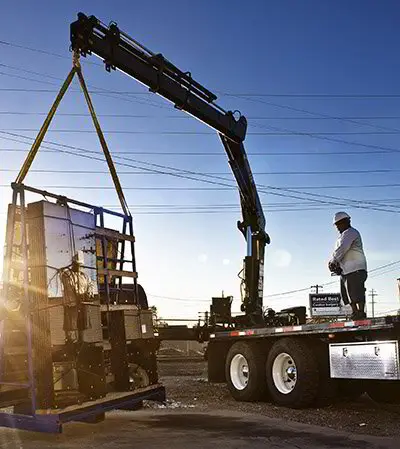
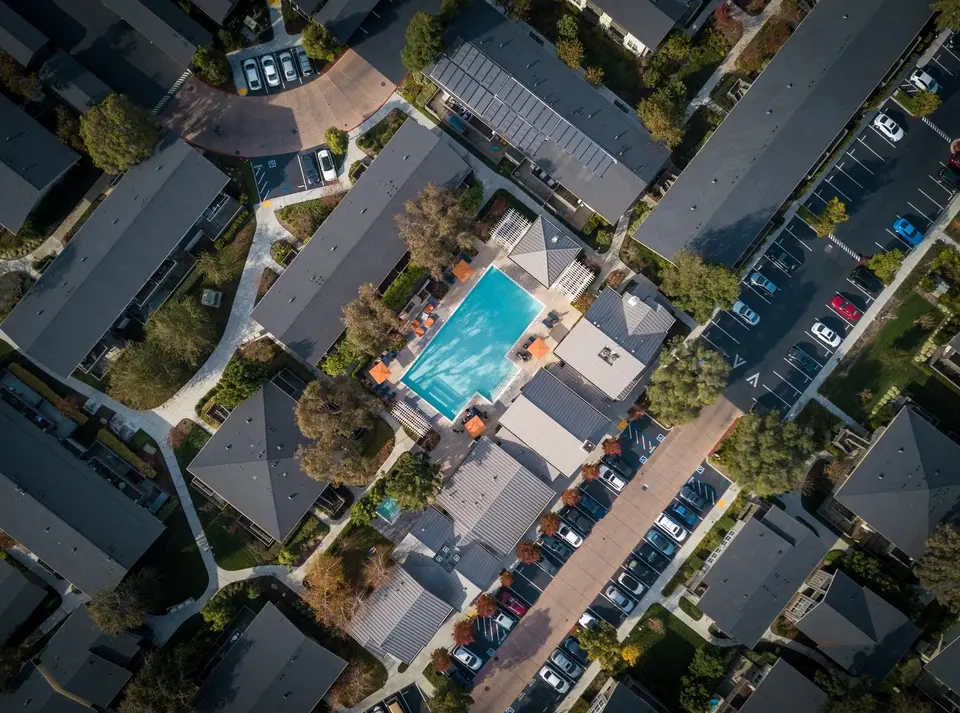
Mobile crane lifting HVAC equipment onto a campus building in Lawrence, Kansas
Lawrence, Kansas

Crane Certification Prep for Lawrence, Kansas

NCCCO training for operators and ground crews in a college town, available on your site or at our training center in Florida.

Crane Work in a University Town

Lawrence is home to the University of Kansas, and campus building, renovation and utility projects make up a good share of its crane activity. The city also sees commercial and residential construction, road and bridge work on the Kansas River, and service work by sign, roofing and HVAC companies.

The Crane School supports Lawrence employers with crane certification prep in two formats: on-site training at your facility, or open-enrollment classes at our only training center, in Seffner, Florida. Nothing is run from a local office; our Florida team handles scheduling directly.

Lifting Around Students and Historic Buildings

Campus jobs come with constraints most contractors know well: narrow access roads, older buildings close to the work, underground utilities, and heavy foot traffic that changes hour by hour. Lifts often have to be timed around class changes and events.

Those conditions put a premium on planning and on the people around the crane. A well-trained signalperson keeps a blind lift under control, and a qualified rigger makes sure an awkward load is balanced before it leaves the ground. For crews working near occupied buildings, we recommend pairing operator prep with our signalperson certification program and rigging training so the whole team shares the same standard.

Smaller Crews, Flexible Options

Many Lawrence-area contractors are small companies with one or two cranes. For them, a dedicated on-site class may not make sense every time. A single operator heading for certification can join the monthly mobile crane certification prep in Seffner, which runs Friday to Monday and includes NCCCO TSS, TLL and LAT exams.

Service companies that run knuckle boom trucks for roofing, signs or HVAC work can prepare for NCCCO's articulating crane exams. Someone just entering the trade can enroll in the three- or five-week initial program, which starts with fundamentals and builds to exam readiness. If several local contractors need training at the same time, ask whether a combined on-site session is possible.

Kansas Rules and Weather

Kansas is not on the commonly cited list of states with their own crane operator licensing, so federal OSHA rules govern. Under 29 CFR 1926.1427, construction crane operators must be certified by crane type, and universities and other owners may add their own contractor requirements. Our Kansas statewide page covers this in more detail.

Northeast Kansas sees spring severe weather, including tornado watches, as well as summer heat and winter ice. Operators should know their crane's wind limits and have a plan for securing it ahead of a storm.

Getting Started From Lawrence

Send us the number of candidates, the cranes they operate and the certifications you need, and we will recommend an on-site visit or open-enrollment dates. If timing matters, mention any upcoming campus project start dates so we can work backward from them. Students traveling to Florida can fly into Tampa International and stay at our partner hotel; our lodging page explains how to request the rate.

For longer programs, plan on being in Seffner Monday through Thursday each week, from 7:00 AM to 4:00 PM. Bring hard-toe boots, a hard hat, gloves, work clothes and a valid driver's license. Many students find that the full-time format, away from the distractions of a regular job, helps them focus on the exams.

Frequently Asked Questions

Can a single operator from Lawrence attend a class in Florida?

Yes. Individuals regularly enroll in our open-enrollment classes at the Seffner, Florida training center.

How long does certification prep take?

The mobile crane certification prep runs four days, Friday through Monday. Beginners take the three- or five-week initial program.

Do university projects require NCCCO certification?

OSHA requires certified operators on construction cranes. Universities and other owners may add their own requirements, so check the contract documents for each job.

The Crane School

Training Programs & Services

All programs are delivered in compliance with current OSHA regulations.

Mobile Crane Operator Certification Prep Program

For experienced operators ready to certify or recertify. Includes NCCCO TSS, TLL and LAT written and practical exams.

Learn more about Mobile Crane Certification Prep

Initial Mobile Crane Operator Training Program

For people with little or no crane experience. 3-week (TSS/TLL) and 5-week (adds LAT) programs with NCCCO exams.

Learn more about Initial Mobile Crane Training (3 & 5 Week)

Articulating Crane Operator Certification Prep Program

For knuckle-boom operators. Prepares you for the NCCCO ABC, ABL and ABW written and practical exams.

Learn more about Articulating Crane Certification Prep

Rigger Qualification / Certification Program

For personnel who rig loads to cranes — supports your rigger qualification and NCCCO Rigger Level I/II exams.

Learn more about Rigger Level 1 & 2

Signalperson Qualification / Certification Program

Standard hand and voice signals for directing cranes, plus preparation for the NCCCO Signalperson exams.

Learn more about Signalperson

Managing Crane Safety Class

For managers and supervisors: OSHA compliance, lift planning, inspections, certification and liability.

Learn more about Managing Crane Safety

Telehandler Operator Program

Certification or recertification for telehandler operators. Includes the NCCCO THO written and practical exams.

Learn more about Telehandler Operator

Crane Inspection Services

Annual, monthly, post-assembly and post-incident inspections plus load testing by NCCCO-certified inspectors.

Learn more about Crane Inspections

Related Reading

Crane Operator Practice Test

Ten quick questions on crane safety rules and NCCCO basics. Pick one answer per question — your score shows on the next page.

1. Which OSHA standard covers cranes and derricks used in construction?
2. How long is an NCCCO crane operator certification valid before recertification?
3. What does NCCCO stand for?
4. Under OSHA's current construction crane rule, operator certification must be obtained by:
5. Under OSHA Table A (1926.1408), what is the minimum clearance from power lines rated up to 50 kV?
6. When is a signal person required?
7. Whose emergency stop signal must a crane operator obey?
8. What does an anti-two-block device prevent?
9. Which document gives a crane's rated capacity for a given boom length and radius?
10. Which NCCCO designation covers telescopic boom cranes with a swing cab?