
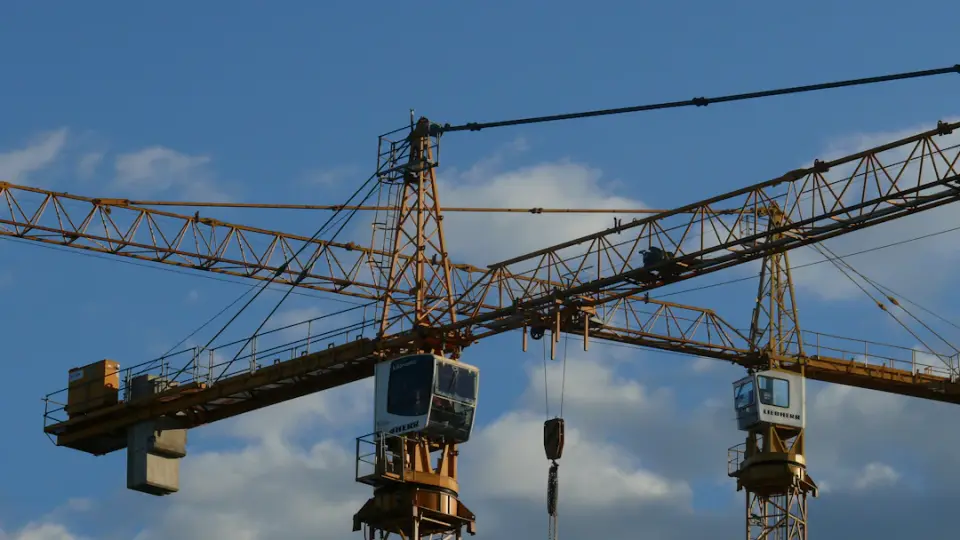
Riggers preparing to lift a large roll during a maintenance outage at a paper mill near Bangor, Maine
Bangor, Maine

NCCCO Crane Certification Prep for Bangor and Northern Maine

Operator, rigger and signal training for the mills, utilities and builders of the Penobscot region, delivered on-site or at our Florida center.

Bangor as the Hub for Northern Maine

Bangor sits on the Penobscot River and serves as the commercial center for much of northern and eastern Maine. The region's forest products industry, including paper and lumber mills, depends on cranes and rigging for maintenance and equipment changes. Utilities maintain long transmission and distribution lines across rural country, and Bangor's hospitals, university campus in nearby Orono and commercial projects keep construction crews working.

The Crane School offers NCCCO crane certification prep for these employers, on-site at your facility or through open-enrollment classes at our training center in Seffner, Florida. There is no Bangor office; we travel to you or you come to us.

Mill Maintenance and Heavy Rigging

Mills run heavy rotating equipment, rolls, gearboxes and motors that must be moved during outages, often through tight buildings with limited headroom. Much of that work relies on overhead cranes, hoists and skilled rigging rather than a mobile crane in an open yard.

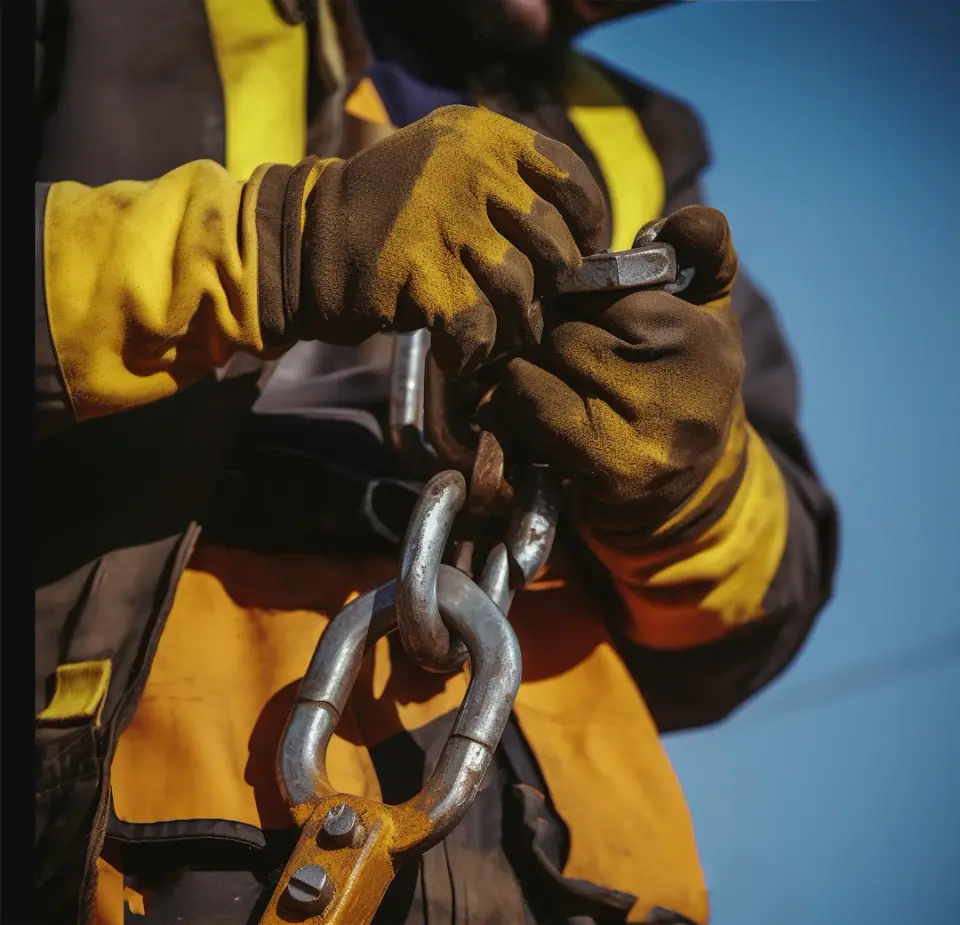
For mill crews, the rigger qualification and certification program is usually the most valuable starting point. It supports your company's own qualification process and prepares candidates for NCCCO Rigger Level I and II exams. Add signalperson training so that the operator, whether on a pendant or in a mobile crane cab, gets clear direction during a blind pick.

Utility Lines and Rural Sites

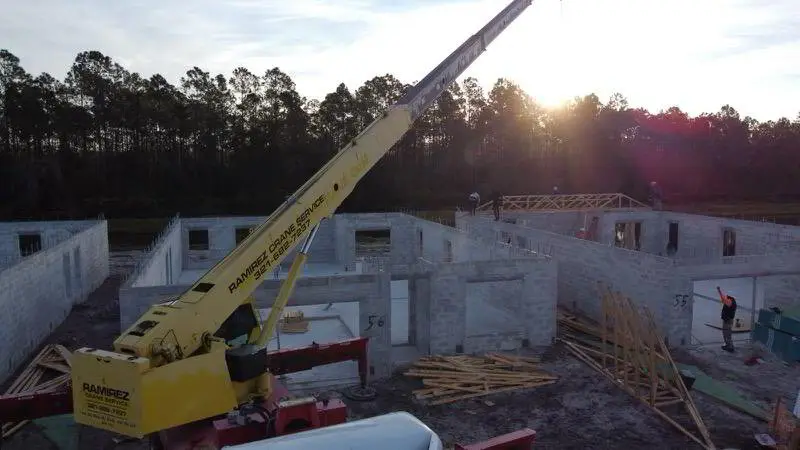
Utility contractors in northern Maine set poles and equipment with boom trucks and digger derricks, frequently near energized lines and on remote, uneven ground. Power line clearance under OSHA 1926.1408 is a central topic for these crews, along with outrigger setup on gravel shoulders and soft roadside ditches.

Operators of telescopic boom trucks prepare for TSS and TLL through our mobile crane certification prep. Knuckle boom operators can prepare for NCCCO's articulating crane exams.

Working Through a Northern Winter

Northern Maine winters are long and severe. Deep cold affects hydraulics, wire rope and steel, ice builds up on booms and loads, and snowbanks hide the edges of roads and pads. Spring thaw then softens ground that held firm all winter. Each change calls for a fresh look at setup and capacity.

On-site practical training and exams are easiest to schedule from late spring to early fall. For winter certification, operators can travel to our Seffner center; Tampa International is the nearest major airport. Our article on crane safety in extreme weather covers cold-weather considerations in more depth.

Maine Rules and Booking

Maine is not on the commonly cited list of states with separate crane operator licensing, so federal OSHA rules govern, including 29 CFR 1926.1427 for construction cranes. Mill owners and utilities often set their own stricter requirements. Our Maine statewide page has more. To plan training, share your crew size and equipment through our contact page.

Because of the distances involved in northern Maine, it often makes sense to bring candidates from several sites or partner companies to one central location for an on-site session. Let us know where your people are based and what equipment is available, and we can suggest a plan that limits travel. Mills planning an outage should reach out well ahead of the shutdown so riggers and operators are qualified before the work begins.
Frequently Asked Questions

Can rigging training be held inside a mill during an outage?

We plan on-site sessions around your schedule. Hands-on rigging practice can use your equipment if a safe area is available, subject to your mill's safety rules.

Do utility boom truck operators need NCCCO certification?

Requirements depend on the equipment and the work. Many utilities require certification for crane-type equipment; contact us to match the right exam to your trucks.

Can practical exams be held in winter?

Only when conditions are safe. Many northern Maine employers schedule practical exams for warmer months or send operators to Florida.

The Crane School

Training Programs & Services

All programs are delivered in compliance with current OSHA regulations.

Mobile Crane Operator Certification Prep Program

For experienced operators ready to certify or recertify. Includes NCCCO TSS, TLL and LAT written and practical exams.

Learn more about Mobile Crane Certification Prep

Initial Mobile Crane Operator Training Program

For people with little or no crane experience. 3-week (TSS/TLL) and 5-week (adds LAT) programs with NCCCO exams.

Learn more about Initial Mobile Crane Training (3 & 5 Week)

Articulating Crane Operator Certification Prep Program

For knuckle-boom operators. Prepares you for the NCCCO ABC, ABL and ABW written and practical exams.

Learn more about Articulating Crane Certification Prep

Rigger Qualification / Certification Program

For personnel who rig loads to cranes — supports your rigger qualification and NCCCO Rigger Level I/II exams.

Learn more about Rigger Level 1 & 2

Signalperson Qualification / Certification Program

Standard hand and voice signals for directing cranes, plus preparation for the NCCCO Signalperson exams.

Learn more about Signalperson

Managing Crane Safety Class

For managers and supervisors: OSHA compliance, lift planning, inspections, certification and liability.

Learn more about Managing Crane Safety

Telehandler Operator Program

Certification or recertification for telehandler operators. Includes the NCCCO THO written and practical exams.

Learn more about Telehandler Operator

Crane Inspection Services

Annual, monthly, post-assembly and post-incident inspections plus load testing by NCCCO-certified inspectors.

Learn more about Crane Inspections

Related Reading

Crane Operator Practice Test

Ten quick questions on crane safety rules and NCCCO basics. Pick one answer per question — your score shows on the next page.

1. Which OSHA standard covers cranes and derricks used in construction?
2. How long is an NCCCO crane operator certification valid before recertification?
3. What does NCCCO stand for?
4. Under OSHA's current construction crane rule, operator certification must be obtained by:
5. Under OSHA Table A (1926.1408), what is the minimum clearance from power lines rated up to 50 kV?
6. When is a signal person required?
7. Whose emergency stop signal must a crane operator obey?
8. What does an anti-two-block device prevent?
9. Which document gives a crane's rated capacity for a given boom length and radius?
10. Which NCCCO designation covers telescopic boom cranes with a swing cab?