
Michigan NCCCO Certification and MIOSHA
Michigan operates its own OSHA-approved state plan, the Michigan Occupational Safety and Health Administration (MIOSHA). State plans must be at least as effective as federal OSHA, and for construction cranes that means operators are expected to be certified for the type of equipment they run, consistent with the federal rule in 29 CFR 1926.1427. Michigan NCCCO certification is the most common way contractors and plants meet that expectation.
Michigan is not among the states commonly cited for a separate crane operator license. Even so, MIOSHA writes and enforces its own standards, so confirm the current Michigan wording with the agency when you build a compliance program. Large owners, particularly automotive and utility companies, frequently set internal requirements that go beyond the regulation.
The Crane School prepares you for NCCCO's written and practical exams. NCCCO, an independent non-profit formed in 1995, issues the certification itself.
Assembly Plants, Steel and Great Lakes Docks
Manufacturing is the backbone of Michigan's lifting work. Automotive plant retooling brings mobile cranes inside and alongside buildings to set presses, robots, conveyors and structural steel, often during tight shutdown windows. Steel and metals facilities, foundries and suppliers keep their own overhead cranes and hire mobile cranes for heavy maintenance.
Shipping on the Great Lakes adds dock construction, cargo handling and shoreline work, and the bridges that link the peninsulas and cross the state's rivers need regular repair. Wind energy projects in the Thumb and other rural areas involve long lifts in open country. Then there is winter: lake-effect snow, frozen ground that thaws unevenly in spring, and cold-weather effects on hydraulics and rigging.
That variety means a Michigan crew might need one person certified on a telescopic crane, another on a lattice crawler and several more qualified as riggers and signalpersons.
Cold-Weather Habits That Belong in Training
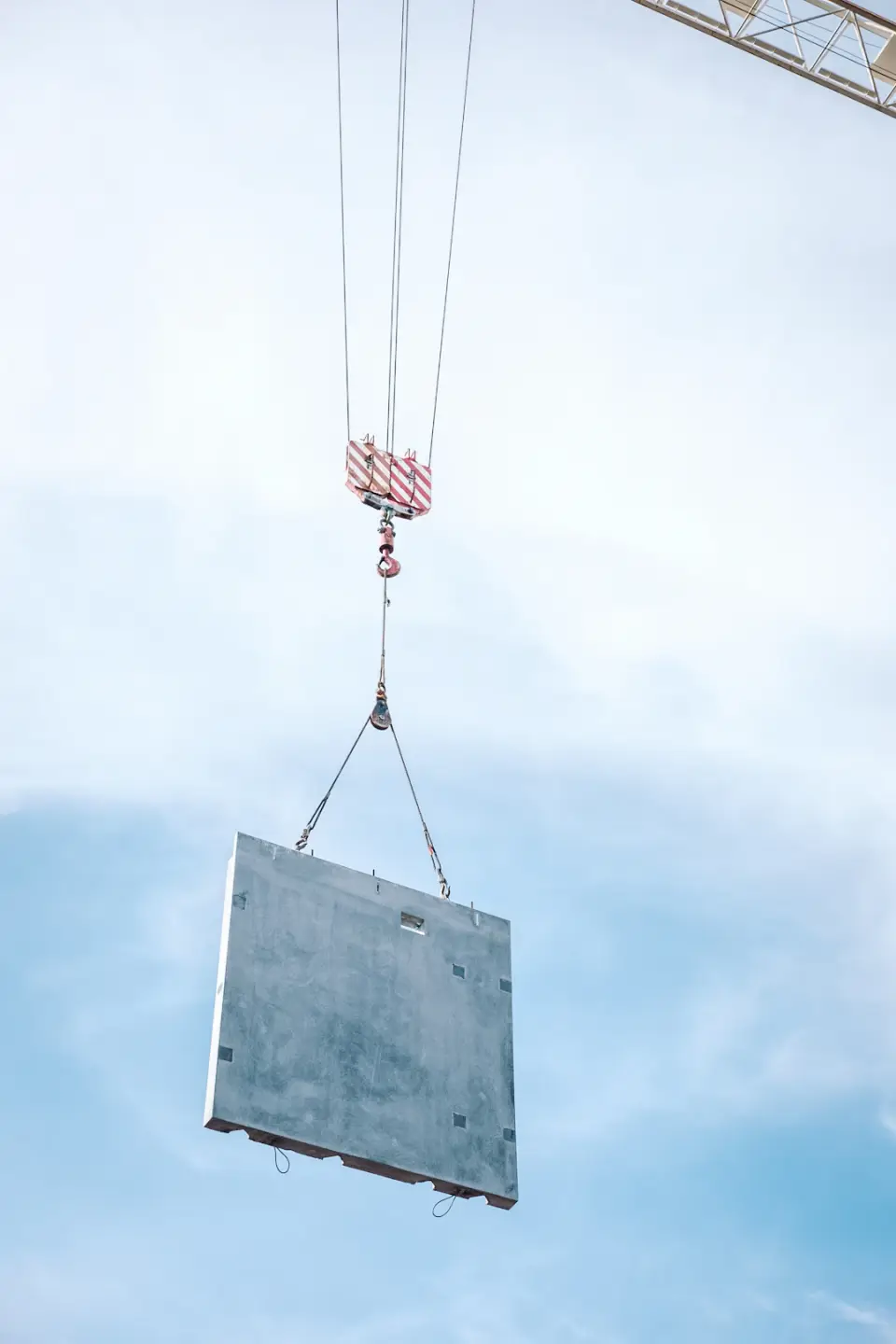
Michigan operators spend a good part of the year working in cold that changes how equipment behaves. Hydraulic oil thickens, wire rope and synthetic slings stiffen, and ice builds on walkways, steps and the load itself. A sheet of ice on a precast panel adds weight the lift plan never counted.
Ground conditions shift too. Frost can make a site feel solid in January, then spring thaw softens it under the same outrigger pads. Good training covers how to check cribbing and mats every time, not just at setup, and how wind off the lakes affects a boom long before it shows on the anemometer.
We build those realities into classroom discussion so certification prep reflects the conditions you will actually face, not just the exam outline.
Two Delivery Options for Michigan Employers
On-site at your plant or yard
Our instructors travel to your location anywhere in Michigan, and our accredited practical examiners can schedule CCO practical exams on site. Plants like this approach because training happens around their production schedule and on the equipment their people use every day. It also means the classroom examples reflect your shop floor, not someone else's.
Open enrollment in Seffner, Florida
Individuals and small groups can enroll in scheduled classes at our facility at 10929 E. US-92 in Seffner, east of Tampa. CCO written exams are offered every month at that location. Michigan students typically fly into Tampa International Airport, and our office can point you to a negotiated hotel rate. Browse the class schedule to find upcoming dates.
Which Course for Which Michigan Job?
Operators with real seat time who need to certify or recertify should look at the mobile crane operator certification prep program, which covers TSS, TLL and LAT written and practical exams.
Plant maintenance departments often get the most value from rigging. Moving dies, motors and machinery safely depends on load weights, sling angles and center of gravity, all of which the rigger qualification and certification course covers on the way to NCCCO Rigger Level I and II exams.
Many Michigan facilities also run overhead bridge cranes. While our operator programs focus on mobile and articulating equipment, our crane inspection services include overhead, mobile and articulating cranes, with annual, monthly and post-incident inspections plus load testing as needed. Our guide to overhead crane safety training explains how plant crane programs fit together.
Career Steps for Michigan Operators
Certified operators in Michigan move between crane rental companies, steel erectors, industrial contractors and in-house maintenance teams. Work can be seasonal in construction and steadier in manufacturing, which is why many operators collect several credentials over time.
We do not publish pay figures. For state and metro estimates, check the U.S. Bureau of Labor Statistics Occupational Employment and Wage Statistics for crane and tower operators (opens in a new tab) (53-7021). For a broader look at compliance, read our guide to OSHA compliance for crane operators. NCCCO cards are valid for five years, so plan your recertification during the last year.