
Motor City Lifting: Plants, River and Downtown
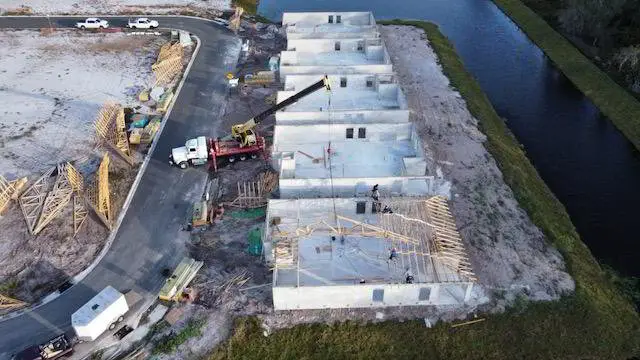
Detroit's identity is tied to the auto industry, and so is a lot of its heavy lifting. Plant retooling means moving presses, robots and conveyor sections, often with mobile cranes brought in through open walls or roof hatches. Along the Detroit River, terminals and industrial sites handle steel, aggregates and bulk materials, and downtown and Midtown redevelopment keeps tower and mobile cranes on the skyline.
Those jobs share one theme: heavy, awkward loads in confined spaces. NCCCO crane operator certification for Detroit crews works best alongside strong rigging and signaling skills.
Which Training Fits Which Job
- Millwright and machinery-moving crews: the rigger qualification and certification program covers Rigger Level 1 and 2 and prepares workers for NCCCO Rigger Level I and II exams.
- Crane rental and contractor operators: experienced hands prep for TSS, TLL and LAT exams through mobile crane certification prep.
- New operators: the initial mobile crane operator training program runs three or five weeks for people with little or no seat time.
- Delivery trucks with knuckle booms: the articulating crane program covers ABC, ABL and ABW exams.
For plant work especially, rigging is where many problems start, so do not treat it as an afterthought.
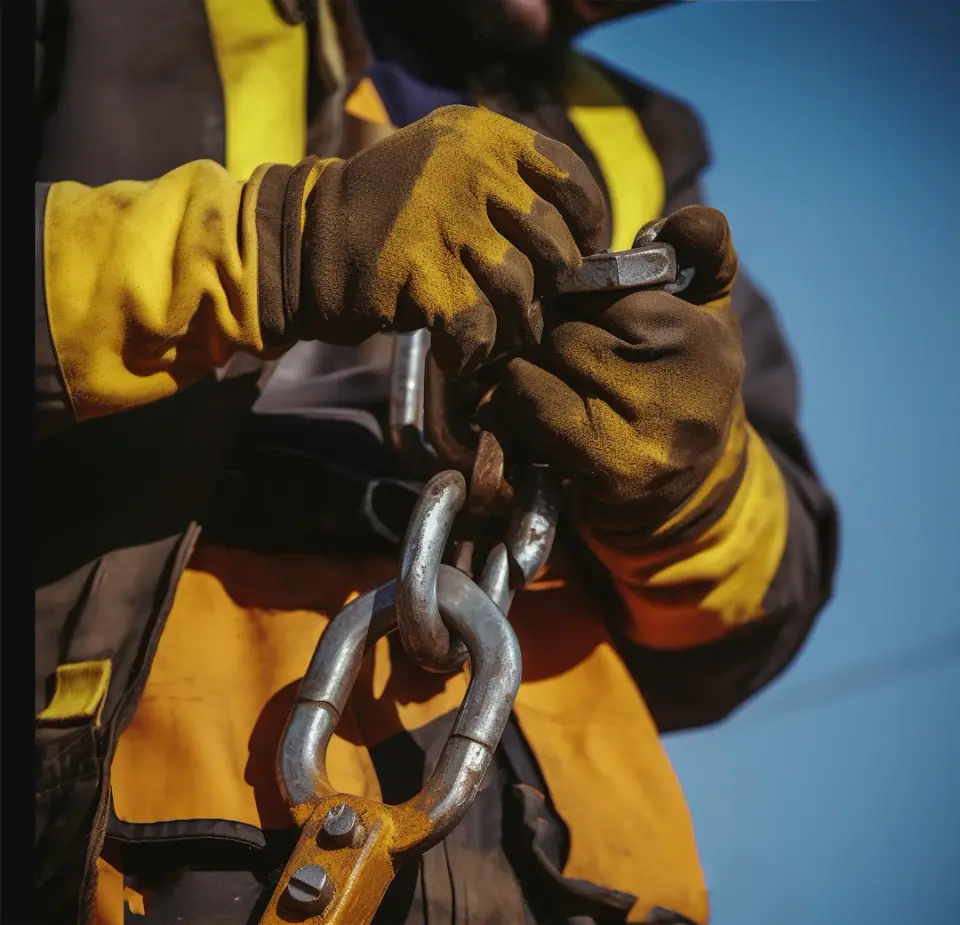
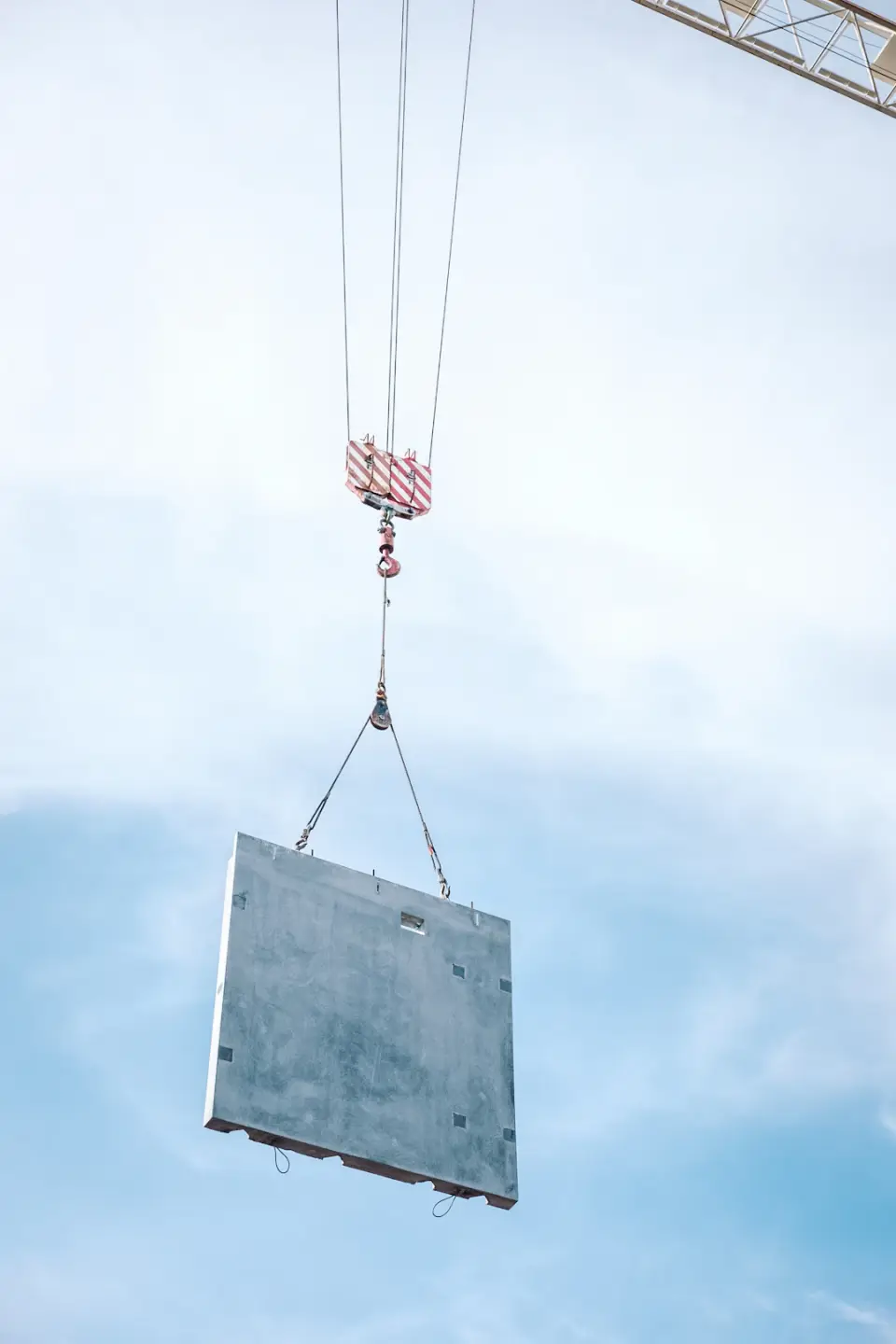
Machinery moves are a good example. A press or fixture may have no designated lifting points, an unknown weight and a center of gravity well off its centerline. A rigger who can estimate weight, choose hitches and hardware, and calculate sling angles keeps those surprises off the hook. That knowledge is exactly what the NCCCO rigger exams test.
Training On-Site in Metro Detroit
We do not have a Detroit office. Our training center is in Seffner, Florida. What we can do is bring the classroom to you. Instructors travel to your plant or yard, and our accredited practical examiners can schedule NCCCO practical exams at your facility.
For a plant that has to keep production lines running, on-site training lets you rotate small groups through without sending a whole crew out of state. It also means candidates test on the cranes and rigging they actually use, in the space they know.
River and terminal operators face a different problem: open exposure to wind off the water and cold that stiffens hydraulics and people alike. Our instructors can talk through those conditions during classes held at your site, even though the exams themselves follow NCCCO's standard format.
Or Come to Florida
Individual operators can enroll in open classes at Seffner, east of Tampa. Initial programs meet full time, Monday through Thursday from 7:00 AM to 4:00 PM, and the monthly mobile crane prep runs Friday through Monday. Hotel rooms are available at a negotiated rate through the Holiday Inn Express Tampa Fairgrounds. See the current class schedule for open dates.
Regulations and Inspections
Michigan is not usually listed among states with a separate crane operator license. Safety enforcement runs through MIOSHA, Michigan's OSHA-approved state plan, and employers may set stricter rules of their own; confirm current MIOSHA crane standards before you start work. More detail is on our Michigan NCCCO prep page.
If your fleet needs periodic or annual checks, our crane inspection services cover mobile, tower, overhead and articulating cranes, with NCCCO-certified inspectors.