Capital City Projects and Plant Work
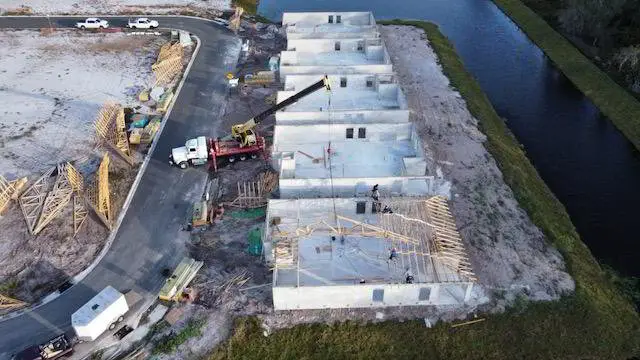
Being the state capital keeps Lansing busy with civic projects and updates to aging government buildings. The region also has deep roots in auto manufacturing, and Michigan State University in neighboring East Lansing adds campus construction year after year. Highway and bridge work across Mid-Michigan rounds out the picture.
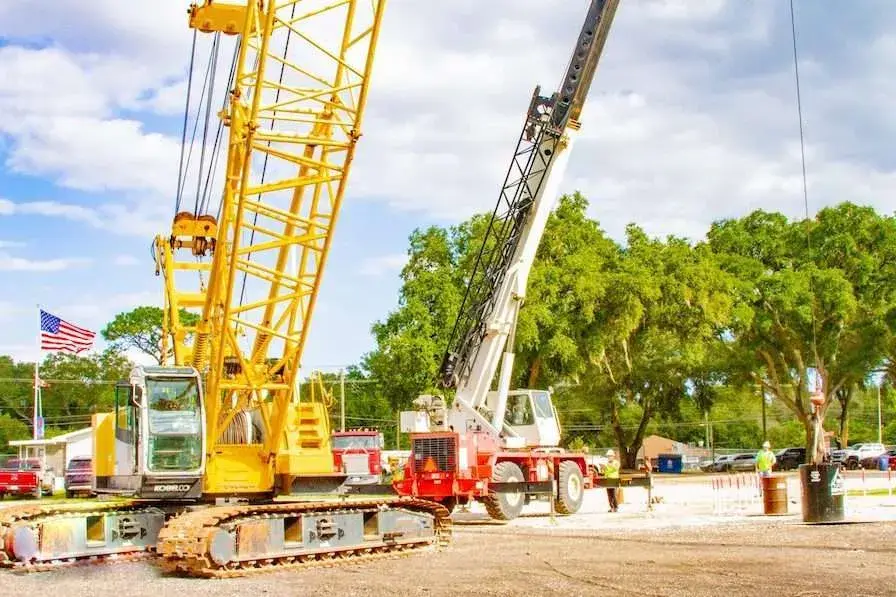
Each of those settings calls for a slightly different crew. Seen that way, crane operator certification in Lansing fits into a bigger picture: riggers for moving plant equipment, signalpersons for tight campus picks, and supervisors who know what OSHA holds them responsible for.
Programs for Mid-Michigan Employers
- Operators with hours already: mobile crane prep readies you for TSS, TLL and LAT, whether it's your first card or a renewal.
- Newcomers: our beginner crane course in Seffner, offered in three-week and five-week lengths, starts with the basics.
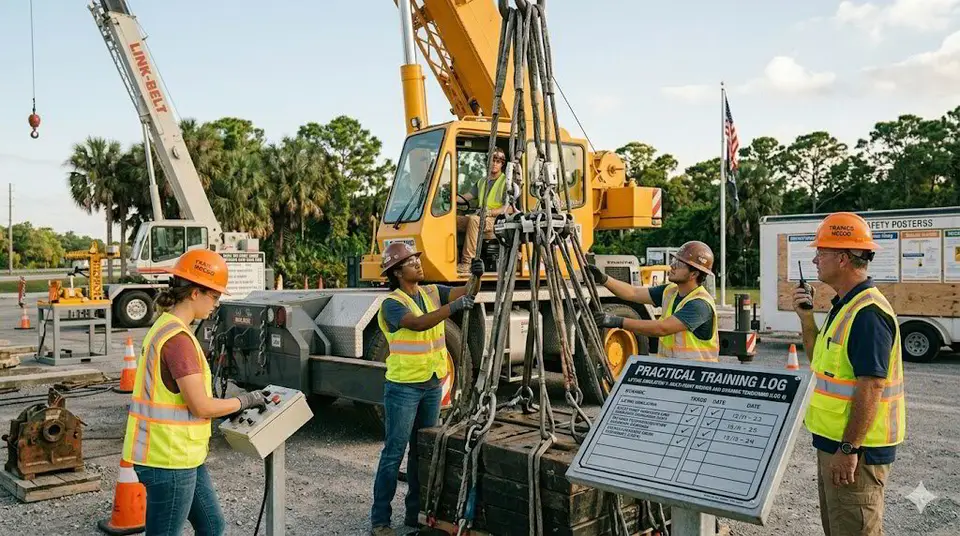
- Riggers and signalers: these courses aim at the NCCCO tests and also back up your company's own qualification program.
- Supervisors and safety staff: Managing Crane Safety covers inspections, planning picks, compliance and reducing your company's liability.
Public agencies and road contractors that only occasionally use cranes often get the most from training a supervisor first, then certifying the few people who actually run the equipment.
Road and bridge contractors in Mid-Michigan face a short paving season and long winters, which pushes a lot of lifting into tight summer schedules. Certify over the winter, and every operator is ready the day the season opens. Off-season certification is one of the simplest scheduling wins available to a seasonal contractor.
Host Us in Lansing or Head South
We don't operate anywhere in Michigan; our one facility is east of Tampa in Seffner, Florida. A company with several candidates can have our instructors come up, and our accredited examiners can give the NCCCO practical at that same location.
For individuals, open enrollment in Seffner is straightforward. Our monthly mobile crane prep opens Friday with practical testing, fills Saturday and Sunday with classroom work, and finishes Monday morning with written exams; you can also reserve practice time on the Thursday ahead of it. Check the upcoming class calendar and plan travel through Tampa International.
Michigan Rules in Brief
Lists of states that license crane operators on their own don't usually include Michigan. Workplace safety there runs through MIOSHA, the state plan OSHA has approved, which must protect workers at least as well as the federal program; agencies and employers can ask for more on top. Look up MIOSHA's present crane rules before you start a job. Our Michigan crane school overview explains statewide training options. Crossing into Indiana or Ohio? Your CCO card goes with you, but those states' rules may differ, so research each one on its own.
A Note for First-Time Candidates
If you have never taken an NCCCO exam, start by learning how the process works: written exams by crane type, then a practical exam on the machine. We walk through it in our guide to becoming a certified operator. Keep in mind the prep weekend expects you to already know how to run a crane; first-timers should start with the initial program.
On exam day, show up with a valid driver's license and a government photo ID, dressed for the yard in work clothes, gloves, a hard hat and hard-toe boots. Course handouts are provided, so there is nothing to buy in advance.