
Rigging Training at Our Seffner Yard
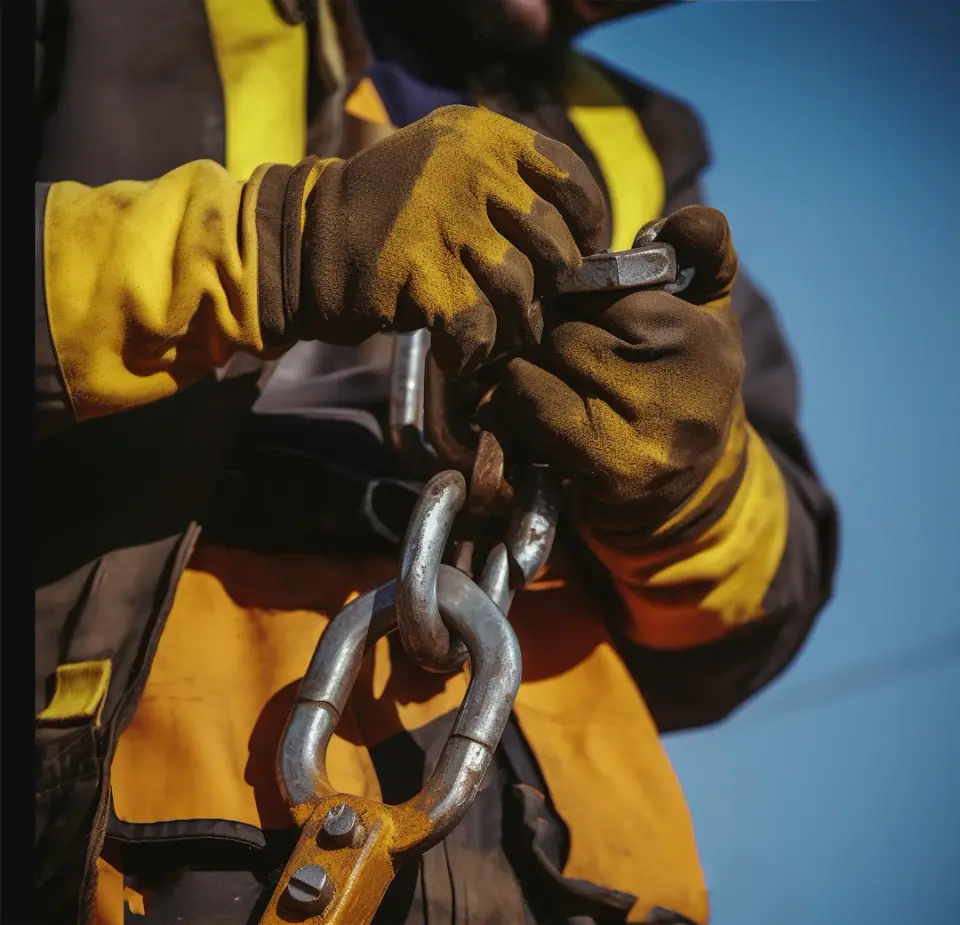
Riggers decide how a load is attached, balanced and controlled before the crane ever takes the weight. Our rigger certification program in Florida is taught at The Crane School's training facility in Seffner, in Hillsborough County just east of Tampa, so Florida riggers can train and test without leaving the state.
Instructors include NCCCO-certified riggers and NCCCO accredited practical examiners for rigging. Classes mix classroom work with hands-on rigging of real loads in the yard, so you practice the same decisions you will make on the job.
Qualified Rigger or Certified Rigger?
These two terms get mixed up constantly, and the difference matters.
Qualified rigger
OSHA 1926 Subpart CC requires that rigging for assembly, disassembly and certain hoisting work be done by a qualified rigger. Qualification can be shown by an employer evaluation. Our two-day qualification class ends with a written and practical test, and those who pass receive a qualification card referencing OSHA 1926.1400.
NCCCO certified rigger
NCCCO Rigger Level I and Level II are third-party certifications earned by passing NCCCO's written and practical exams. They are portable from employer to employer and are valid for five years. Many contractors and project owners ask for them even where OSHA would accept a qualification.
Rigging Class Options and Pricing
Florida riggers can choose from three published options:
- 2-Day Rigger Qualification Class — $425. Foundational rigging knowledge and practical skills for riggers who need a qualification rather than a certification.
- 2-Day Rigger Recertification Class — $425. A refresher for riggers whose credential is coming due.
- Rigger Only Certification (with Practical) — $1,375. Two days of classroom and hands-on training, then a third day for the practical exam.
Call the office to confirm what each option includes for your situation before you enroll.
What NCCCO Rigger Level I Covers
A Level I rigger is expected to handle routine rigging tasks safely. That means being able to:
- Determine load weight and center of gravity before the lift
- Inspect, select and attach slings, shackles, hooks and other hardware
- Choose the right hitch and understand how it changes capacity
- Recognize hazards and stop a lift when something is wrong
NCCCO requires both the written and practical exams to be passed within its allowed window, generally 12 months. If you already hold a qualification, you can move up to Level I at any time.
Florida Conditions Riggers Train For
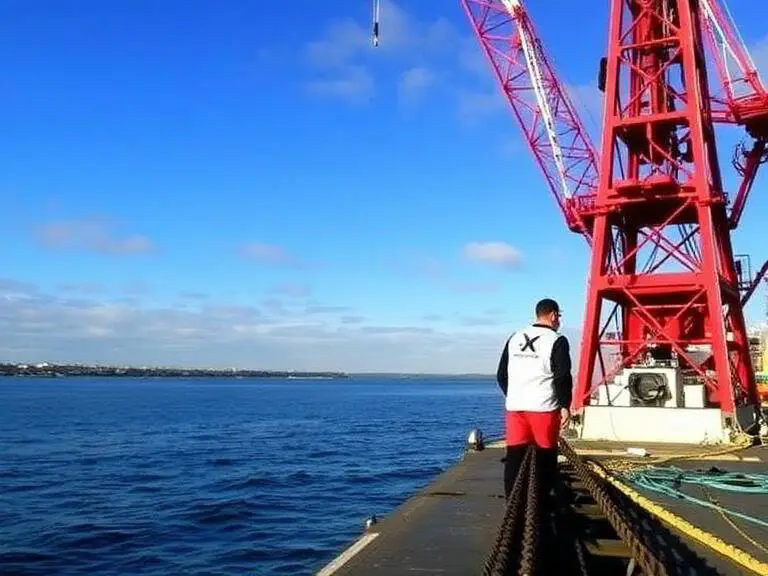
Florida rigging has its own challenges. Afternoon thunderstorms bring sudden wind gusts and lightning, and hurricane season puts riggers to work on cleanup and rebuilding where loads are often damaged or of unknown weight. Around Port Tampa Bay and other coastal sites, salt air shortens the life of wire rope slings and hardware, so inspection skills get extra attention.
Florida has no separate state rigger license. Federal OSHA rules apply, and employers or project owners may require NCCCO certification on top of that.
On-Site Rigger Classes for Florida Companies
If you need to qualify or certify a crew, we can bring the program to your facility anywhere in the state, and we can deliver it outside Florida too. Instructors can work with your own loads and rigging gear so the training matches what your people actually lift. Larger groups can be scheduled together to keep your crews on the same standard.
Reserving a Seat
Check the class schedule for upcoming dates, then fill out the form on this page or contact our office. The office will confirm your seat and payment. Full program details are on the Rigger Qualification / Certification Program page, and our Florida crane training page covers operator programs for the state.
Bring hard-toe footwear, a hard hat, gloves, work clothes and a government-issued photo ID.