Lifting on Slopes and in Tight Valleys
The Roanoke Valley is ringed by the Blue Ridge and Allegheny ridges, and that geography shapes crane work here. Setups often happen on grades, on fill, or in narrow lots squeezed between a hillside and a road. Operators have to judge ground conditions, cribbing and outrigger placement before the first pick, not after.
The region's work is varied: plant maintenance at manufacturing sites, utility and transmission work in the surrounding counties, freight and distribution along I-81, and hospital and medical-campus construction in the city. The area's long railroad history also means rail-adjacent lifts that demand close coordination with signalpersons.
Programs That Fit Roanoke Crews
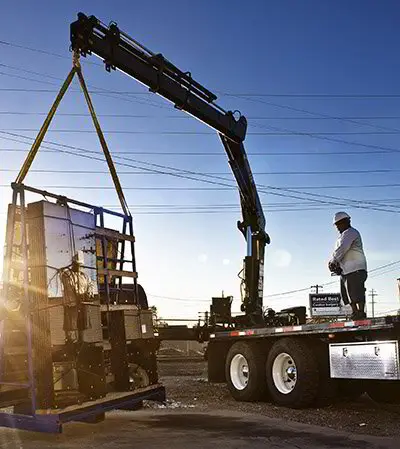
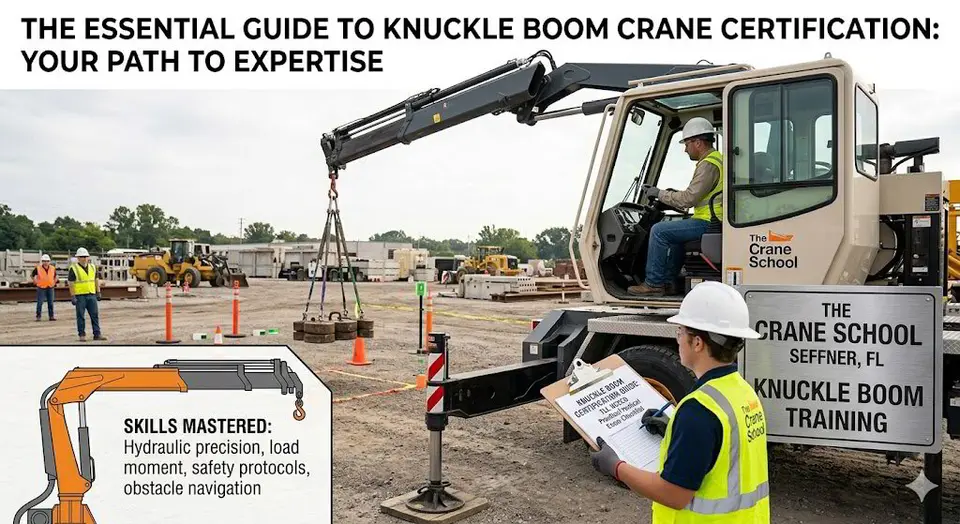
Many Southwest Virginia companies run boom trucks and knuckle-boom cranes for deliveries and maintenance. For those operators, the articulating crane certification prep covers the NCCCO ABC, ABL and ABW written and practical exams.
Crews running larger telescopic cranes usually fit the mobile crane prep program, which prepares experienced operators for the TSS and TLL exams and the LAT exam for lattice boom machines. For ground crews, rigger and signalperson qualification matters as much as the operator's card, especially on rail and plant jobs where a single miscommunication can be costly.
Setup Habits We Stress for Hilly Sites
Exam prep is not only about passing a written test. Operators working around Roanoke need to recognize when a site isn't ready for a crane, and our instructors spend time on the decisions that come before the lift:
- Checking the crane is level within the manufacturer's tolerance when the ground slopes away from the outriggers.
- Sizing cribbing and mats for soft shoulders, recent fill and spring thaw.
- Reading the load chart for the actual radius after the boom deflects, not the planned radius.
- Keeping clear of overhead power lines, which run along many valley roads and rail rights-of-way.
Those habits show up on the NCCCO practical exam too, where smooth control and attention to the test course matter. Our instructors have many years of real crane operating experience and bring that perspective to every session.
On-Site Sessions vs. a Trip to Florida
On-site crane training in the Roanoke Valley makes sense when your company has a group of operators and suitable equipment. Our instructors come to your facility, run the classroom review, and our accredited examiners can schedule the practical exams there. Winters bring snow and ice to the valley, so we plan outdoor testing for months with dependable conditions when the schedule allows.
Individuals often find it simpler to travel to our training center in Seffner, Florida. The mobile crane prep class runs Friday through Monday once a month, with optional hourly practice the Thursday before. Flights from Roanoke typically connect to Tampa International Airport, and we have a negotiated rate at a nearby hotel.
What Virginia Law Requires
Virginia relies on federal OSHA crane standards for construction rather than a separate state operator license. OSHA 1926.1427 requires certification by crane type, and your employer may add its own rules. The Virginia statewide training page explains how we serve the rest of the Commonwealth. When you are ready to compare dates, the contact page is the quickest way to reach our office. Tell us the crane types, the number of people and the timeframe you have in mind, and we can outline the options.