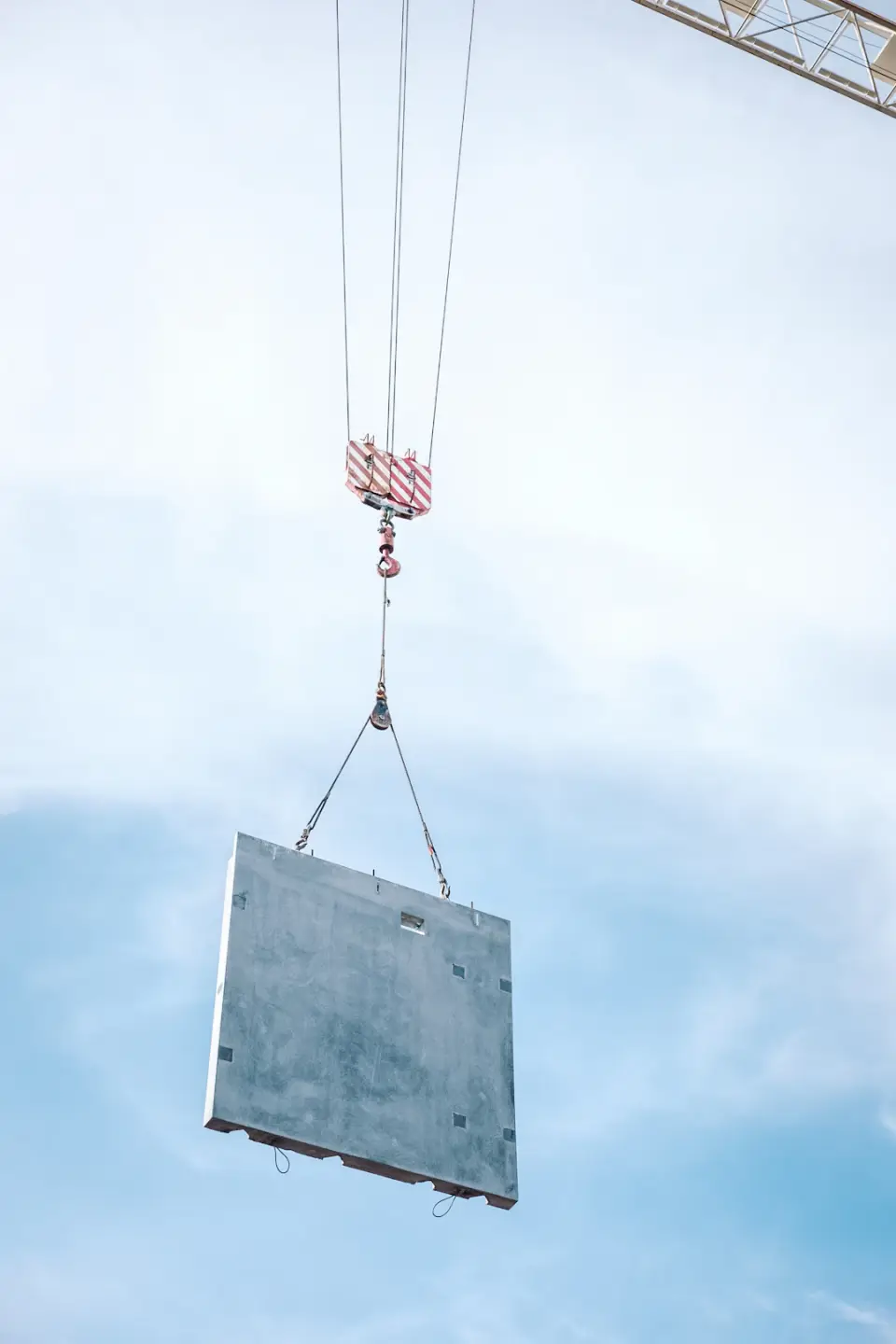
Mobile crane and rigging crew lifting a heavy component near the waterfront in Hampton Roads, Virginia
Hampton Roads

Virginia Beach Crane Operator Training and NCCCO Exam Prep

Hampton Roads shipyard, terminal and oceanfront building crews can get NCCCO-ready on their own property, or make the trip to our Florida yard.

Waterfront Lifting in Hampton Roads

Virginia Beach is part of Hampton Roads, a region known for shipbuilding, ship repair and major naval facilities, along with busy marine terminals. Work like that keeps calling for operators, riggers and signalpersons who can handle oversized, odd-shaped loads in congested yards, often right at the water's edge.

Away from the piers, the city adds oceanfront hotel and resort projects, new neighborhoods, and regional road and bridge jobs. Hydraulic truck cranes, RTs and boom trucks do most of that lifting.

Wind, Salt Air and Storm Season

Coastal weather sets the pace for many lifts here. Sea breezes and gusty fronts can push a load past safe limits, and Atlantic hurricane season brings tropical systems and nor'easters that shut down crane work for days. Salt air is also hard on wire rope and pins, which makes daily and monthly inspections more than paperwork.

Our instructors cover wind-speed limits, load chart reductions and pre-shift inspection habits as part of exam prep. For machines due for their own inspections, NCCCO-certified inspectors on our staff can check your fleet.

Rigging and Signaling for Yard Crews

Around a shipyard, whoever rigs the load and whoever directs it share the weight of the lift with the operator. Our rigging course serves two purposes: it backs up your internal qualification process, and it readies people for NCCCO Rigger Level I and II. Separately, signal training drills the standard hand and voice signals ahead of the NCCCO Signalperson test.

Training a whole crew together means everyone learns the same signals, terms and hitch practices. Read what rigger and signalperson training involves before you plan a group class.

Choosing a Path for New and Experienced Operators

Not every applicant from Virginia Beach starts in the same place. A sailor getting out, or a tradesperson changing lanes, usually needs the basics before anything else; that's the job of our three- and five-week beginner mobile crane courses. Choosing five weeks brings in lattice boom training and LAT, useful if you're aiming for bigger marine or heavy-civil picks down the road.

Operators who already run cranes every day typically need focused exam prep instead. For them it's a quick run through chart reading, OSHA Subpart CC and hands-on test technique before sitting the exams. Employers sometimes mix both groups: experienced hands certify on-site, while new hires attend open enrollment in Florida. If you are weighing that choice, our staff can talk through which route fits each person's background and the equipment your company runs. While you're on the phone, have us explain our written-exam guarantee.

Training at Your Yard or Ours

From Norfolk to Chesapeake, a Hampton Roads employer can host our prep classes and practicals, so long as suitable cranes and a test area are on hand. On your own? Join a public session in Seffner, outside Tampa, where written CCO tests are given monthly.

The Commonwealth doesn't issue its own crane license; federal OSHA sets the requirement, and employers can go beyond it. Options in other parts of the state appear on our Virginia overview. When you're ready to talk dates, headcount and equipment, reach our office and we'll help you sort out whether on-site delivery or open enrollment fits your crew best.

Frequently Asked Questions

Can our Hampton Roads riggers and operators train together?

Yes. It's common to book all three, operator prep, rigging and signaling, together so every member of the lift team picks up the same habits.

If a nor'easter rolls in on test day, what then?

High winds or storms can postpone outdoor exams. We work with you to reschedule practical testing when conditions are safe.

Do you inspect cranes as well as train operators?

Yes. We do. NCCCO-certified inspectors on our team handle annual, monthly, post-assembly and post-incident inspections, along with load testing.

The Crane School

Training Programs & Services

All programs are delivered in compliance with current OSHA regulations.

Mobile Crane Operator Certification Prep Program

For experienced operators ready to certify or recertify. Includes NCCCO TSS, TLL and LAT written and practical exams.

Learn more about Mobile Crane Certification Prep

Initial Mobile Crane Operator Training Program

For people with little or no crane experience. 3-week (TSS/TLL) and 5-week (adds LAT) programs with NCCCO exams.

Learn more about Initial Mobile Crane Training (3 & 5 Week)

Articulating Crane Operator Certification Prep Program

For knuckle-boom operators. Prepares you for the NCCCO ABC, ABL and ABW written and practical exams.

Learn more about Articulating Crane Certification Prep

Rigger Qualification / Certification Program

For personnel who rig loads to cranes — supports your rigger qualification and NCCCO Rigger Level I/II exams.

Learn more about Rigger Level 1 & 2

Signalperson Qualification / Certification Program

Standard hand and voice signals for directing cranes, plus preparation for the NCCCO Signalperson exams.

Learn more about Signalperson

Managing Crane Safety Class

For managers and supervisors: OSHA compliance, lift planning, inspections, certification and liability.

Learn more about Managing Crane Safety

Telehandler Operator Program

Certification or recertification for telehandler operators. Includes the NCCCO THO written and practical exams.

Learn more about Telehandler Operator

Crane Inspection Services

Annual, monthly, post-assembly and post-incident inspections plus load testing by NCCCO-certified inspectors.

Learn more about Crane Inspections

Related Reading

Crane Operator Practice Test

Ten quick questions on crane safety rules and NCCCO basics. Pick one answer per question — your score shows on the next page.

1. Which OSHA standard covers cranes and derricks used in construction?
2. How long is an NCCCO crane operator certification valid before recertification?
3. What does NCCCO stand for?
4. Under OSHA's current construction crane rule, operator certification must be obtained by:
5. Under OSHA Table A (1926.1408), what is the minimum clearance from power lines rated up to 50 kV?
6. When is a signal person required?
7. Whose emergency stop signal must a crane operator obey?
8. What does an anti-two-block device prevent?
9. Which document gives a crane's rated capacity for a given boom length and radius?
10. Which NCCCO designation covers telescopic boom cranes with a swing cab?