Building Between Two Lakes
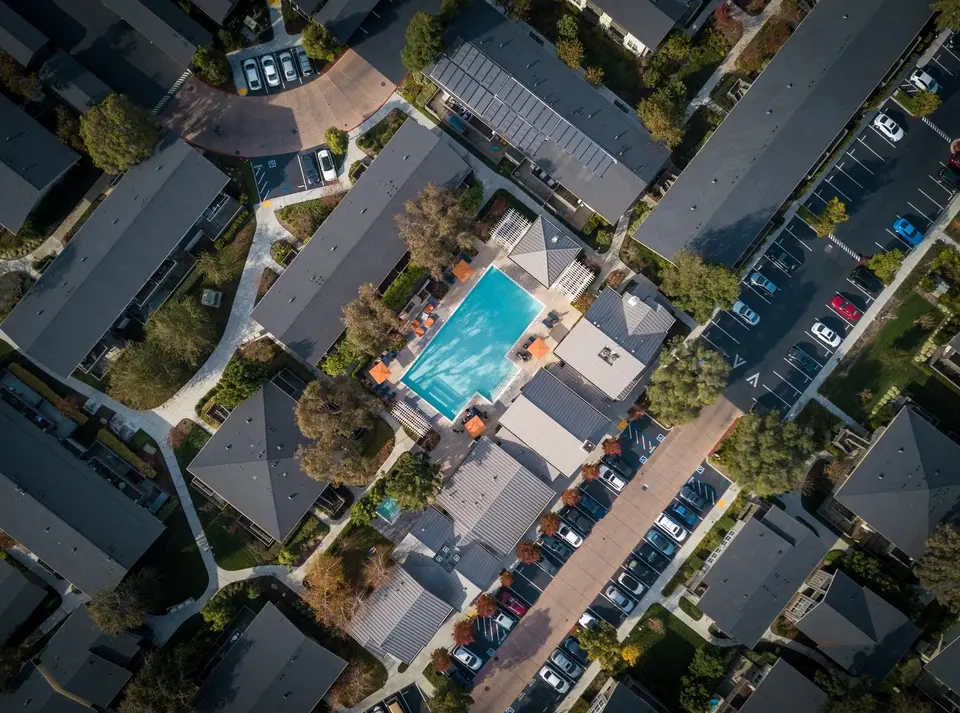
Madison is Wisconsin's capital and home to the University of Wisconsin–Madison, and much of its construction activity comes from campus buildings, hospitals and clinics, state facilities and apartment growth. Downtown sits on a narrow isthmus between Lake Mendota and Lake Monona, which means tight streets, limited staging and cranes working close to occupied buildings.
Outside the city, Dane County has research and technology campuses, agricultural facilities and road projects. Madison NCCCO crane training needs to cover both cramped urban picks and open-site work.
Tight Sites Call for Strong Lift Planning
On an isthmus project, a crane may have to set up on a street with traffic control, swing over sidewalks, and place loads on a roof surrounded by occupied buildings. That puts weight on lift planning, communication and clear exclusion zones. Our instructors focus on the setup questions that matter most downtown:
- Is the ground or pavement capable of supporting outrigger loads, and what is underneath it?
- How close are power lines, adjacent buildings and pedestrians to the swing path?
- Who is the signalperson, and can the operator see them for the entire lift?
These topics run through exam prep and practical testing.
Management and Supervisory Training
Public owners and healthcare systems often expect contractors to show a documented crane safety program. Our Managing Crane Safety class is built for supervisors and project managers, covering OSHA and industry compliance, accident prevention, planning, inspections and limiting liability. It pairs well with operator certification for companies that want field and office staff working from the same expectations.
Crews can also certify riggers and signalpersons through our Rigger Level I and II and Signalperson programs, which help prevent miscommunication on crowded campus sites.
For public projects, documentation counts. Keeping copies of current certification cards, inspection records and lift plans organized makes owner reviews and safety audits much simpler. CCO certifications last five years, so a simple tracking sheet showing each employee's expiration date can prevent a surprise lapse in the middle of a project.
Winter Conditions and Scheduling
Madison winters bring snow, ice storms and stretches of deep cold, along with wind across the frozen lakes. We generally plan outdoor practical exams for spring through fall, while classroom sessions can run any time. Our article on developing a personalized crane safety plan offers ideas for seasonal planning. Spring is also when frost leaves the ground, so a site that supported a crane in February may need new mats by April.
Your Options for Training
The Crane School does not have a Madison office. Employers with a group and suitable equipment can host on-site crane training in Dane County, including practical exams by our accredited examiners. Individuals can attend open-enrollment classes at our Seffner, Florida campus, flying from Madison to Tampa International.
Wisconsin depends on federal OSHA crane standards rather than a separate state license, and employers may set stricter rules. Our Wisconsin crane training page explains statewide service. Contact our team to get started.
Operators who travel to Florida often choose the monthly Friday-to-Monday mobile crane prep class: practical exams on Friday, classroom work over the weekend and written exams Monday morning. That schedule limits time away from a Madison job to a few working days.