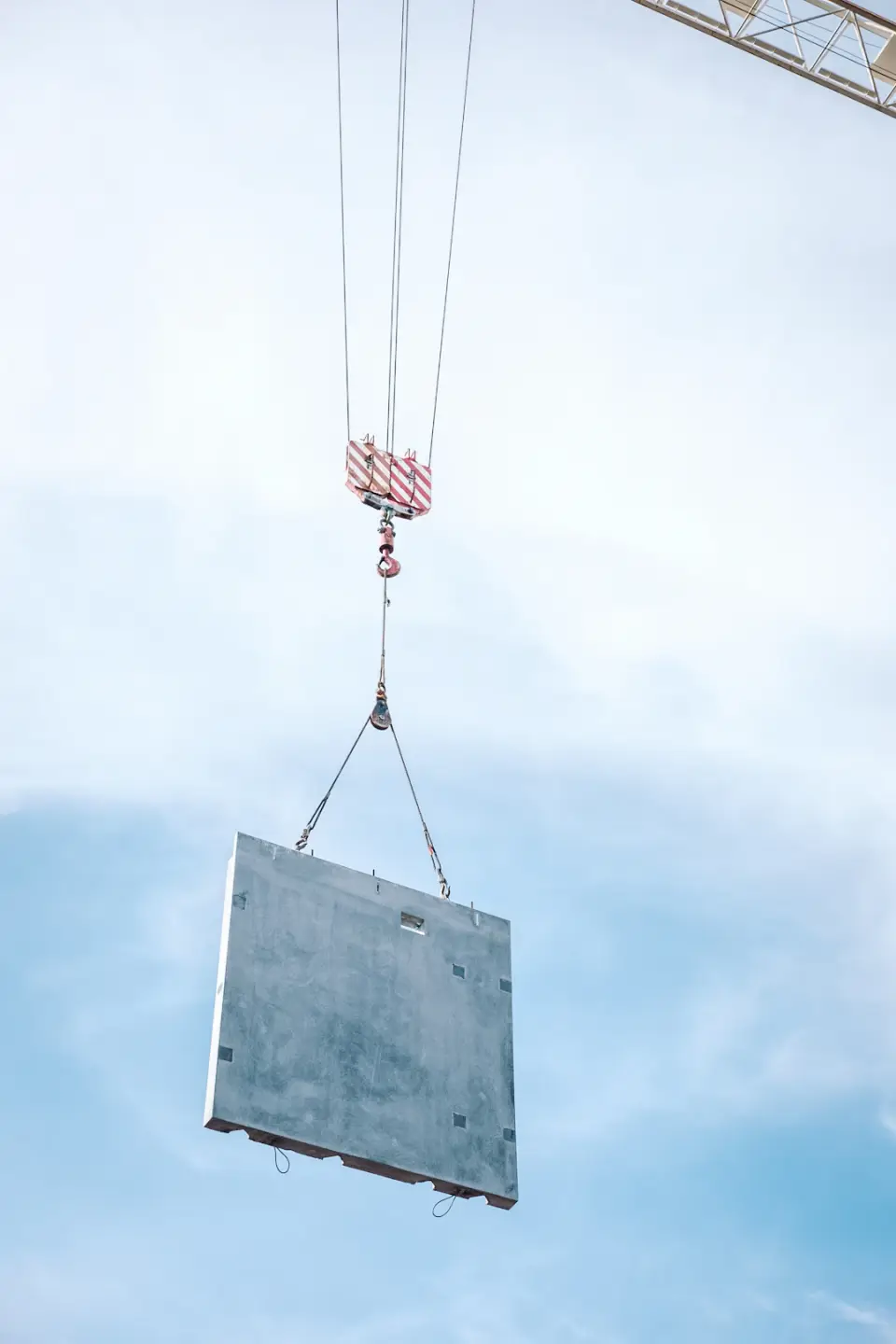

Mobile crane lifting machinery into a manufacturing plant in Milwaukee, Wisconsin
Milwaukee, WI

NCCCO Crane Operator Training for Milwaukee Employers

Milwaukee plant, port and downtown building crews can study for NCCCO testing at work or at our school in Florida.

A Manufacturing City on Lake Michigan

Milwaukee built its reputation on heavy manufacturing, and plenty of that work is still here: machinery, metal fabrication, power equipment and food and beverage production. Those plants depend on mobile cranes for rigging new production lines, changing out large motors and setting equipment on roofs. The Port of Milwaukee on Lake Michigan handles bulk cargo, and downtown and lakefront construction keeps cranes on the skyline.

For safety managers, Milwaukee NCCCO crane operator training often has to cover a mix of in-plant maintenance lifts and outdoor construction picks.

Lake Wind and Long Winters

Weather off Lake Michigan is a real planning factor. Wind along the lakefront can build quickly, and cold air over the water brings gusts that change a lift plan in minutes. Winter drags on with snow, ice and hard-frozen soil that eventually turns soft beneath outrigger pads once it thaws.

In class we talk about what cold does to hydraulics and wire rope, why frost heave and the spring thaw mean more cribbing, and how wind catches broad, flat loads such as precast panels or rooftop HVAC units. Plan outdoor practicals between late spring and early fall; classroom work fits any month.

Matching Training to Plant and Site Roles

Milwaukee employers usually need more than one certification. Here is how we typically sort it out:

  • Experienced crane operators get ready for TSS, TLL and LAT in our Friday-to-Monday mobile crane prep.
  • In-plant riggers who shift motors, presses and tooling can work toward NCCCO Rigger Level I or II.
  • Signalpersons, often the same people who rig, learn standard hand and voice signals.
  • Boom truck drivers delivering steel and building materials prepare for the articulating crane exams.
  • Safety staff and plant managers have Managing Crane Safety.

Need inspections too? Our NCCCO-certified inspectors look at overhead, mobile and articulating cranes and can do load testing.

Wisconsin and Federal Rules

Since Wisconsin is not usually listed among states with their own crane license, most Milwaukee crane work comes under federal OSHA rules. For construction, OSHA requires certification by crane type, and an employer is free to demand more. For the rest of the state, see our Wisconsin crane certification overview; for background on the rules, read what has changed in crane regulations.

On-Site Classes or Travel to Seffner

The Crane School has no Milwaukee office. If you have a group and the right machines, we bring instructors and accredited practical examiners to your plant or yard. Training on your own cranes means people practice with the controls and attachments they use every day.

Individual students usually fly Milwaukee Mitchell to Tampa International and join an open class in Seffner, Florida. Mobile crane prep happens monthly over a Friday-through-Monday block, and hour-long practice slots can be added that Thursday. Reach out to our office to compare dates and options.

Before calling, sort out how many operators are certifying for the first time versus renewing, what crane types they operate, and whether there is level ground for a test course. Renewing operators should begin once their card enters its final year.
Frequently Asked Questions

Do overhead crane operators in Milwaukee plants need NCCCO certification?

The certification rule in 1926 Subpart CC targets cranes on construction work. Overhead cranes inside a plant are covered by different OSHA standards, and lots of employers write their own training rules for them. We can talk through what your operations need.

Can we combine crane inspections and operator training in one visit?

Yes, in many cases. Pairing the two means fewer trips to your facility and less time with equipment out of service.

When should a Milwaukee plant book outdoor practical testing?

Aim for late spring to early fall, when weather and footing are most predictable. Classroom training can be scheduled year-round.

The Crane School

Training Programs & Services

All programs are delivered in compliance with current OSHA regulations.

Mobile Crane Operator Certification Prep Program

For experienced operators ready to certify or recertify. Includes NCCCO TSS, TLL and LAT written and practical exams.

Learn more about Mobile Crane Certification Prep

Initial Mobile Crane Operator Training Program

For people with little or no crane experience. 3-week (TSS/TLL) and 5-week (adds LAT) programs with NCCCO exams.

Learn more about Initial Mobile Crane Training (3 & 5 Week)

Articulating Crane Operator Certification Prep Program

For knuckle-boom operators. Prepares you for the NCCCO ABC, ABL and ABW written and practical exams.

Learn more about Articulating Crane Certification Prep

Rigger Qualification / Certification Program

For personnel who rig loads to cranes — supports your rigger qualification and NCCCO Rigger Level I/II exams.

Learn more about Rigger Level 1 & 2

Signalperson Qualification / Certification Program

Standard hand and voice signals for directing cranes, plus preparation for the NCCCO Signalperson exams.

Learn more about Signalperson

Managing Crane Safety Class

For managers and supervisors: OSHA compliance, lift planning, inspections, certification and liability.

Learn more about Managing Crane Safety

Telehandler Operator Program

Certification or recertification for telehandler operators. Includes the NCCCO THO written and practical exams.

Learn more about Telehandler Operator

Crane Inspection Services

Annual, monthly, post-assembly and post-incident inspections plus load testing by NCCCO-certified inspectors.

Learn more about Crane Inspections

Related Reading

Crane Operator Practice Test

Ten quick questions on crane safety rules and NCCCO basics. Pick one answer per question — your score shows on the next page.

1. Which OSHA standard covers cranes and derricks used in construction?
2. How long is an NCCCO crane operator certification valid before recertification?
3. What does NCCCO stand for?
4. Under OSHA's current construction crane rule, operator certification must be obtained by:
5. Under OSHA Table A (1926.1408), what is the minimum clearance from power lines rated up to 50 kV?
6. When is a signal person required?
7. Whose emergency stop signal must a crane operator obey?
8. What does an anti-two-block device prevent?
9. Which document gives a crane's rated capacity for a given boom length and radius?
10. Which NCCCO designation covers telescopic boom cranes with a swing cab?