Paper, Printing and Fabrication in the Fox Valley
Appleton and the other Fox Cities grew along the Fox River, which powered a paper industry that still shapes the region. Today the area also has printing, specialty vehicle and equipment manufacturing, metal fabrication, and a busy commercial construction market. Each of these relies on lifting: setting machinery, moving rolls and dies, delivering steel and placing building materials.
For many local employers, Appleton crane operator certification focuses less on giant cranes and more on boom trucks, telehandlers and mid-size hydraulic units.
Telehandlers and Boom Trucks First
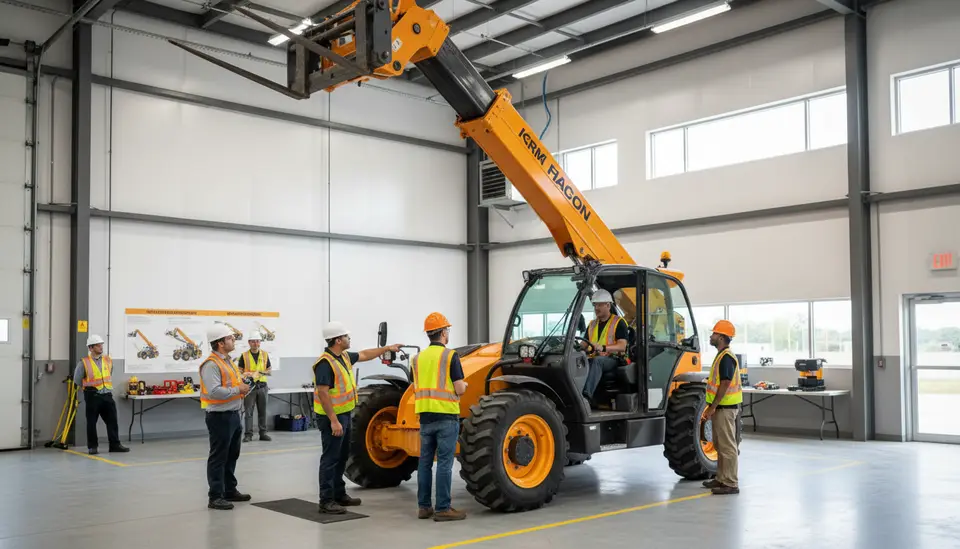
Telehandlers have become a standard tool on Fox Valley jobsites and in plant yards. When they suspend loads with a winch or jib, OSHA crane rules can apply, and NCCCO offers a specific Telehandler Operator (THO) certification. Our telehandler operator program prepares operators for those written and practical exams.
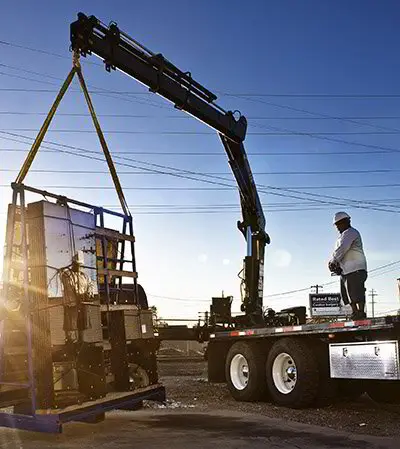
Boom trucks used by suppliers and fabricators often fall under the articulating crane categories, covered by the ABC, ABL and ABW exams. Experienced operators of telescopic cranes can prepare for TSS and TLL through mobile crane prep. Our blog post on telehandler safety training gives more background.
Many Fox Valley companies own a small fleet with one or two of each machine type. In that case, it often makes sense to certify a few operators on several types during the same visit, so you have backup coverage when someone is out sick or moves to another crew.
Training Through a Wisconsin Year
Fox Valley winters bring heavy snow and long stretches below freezing. Cold slows hydraulics, snow hides ground hazards and cribbing, and spring thaw can soften yards that looked solid in January. Summer is the most reliable season for outdoor practical exams, while fall works well for groups trying to certify before the next construction year.
Our instructors cover these seasonal risks alongside load charts, power line safety and pre-shift inspections, and they bring years of real operating experience to each class.
Mill Maintenance and Rigging Crews
Paper and converting plants in the Fox Valley still run on regular maintenance outages, when heavy rolls, drives and gearboxes come out and go back in. Much of that work depends on maintenance riggers and the people signaling the crane or hoist. Our rigger qualification and certification program supports a company's own rigger qualification process and prepares crews for the NCCCO Rigger Level I and II exams, while the signalperson course covers standard hand and voice signals.
Training those crews before an outage, not during it, keeps the schedule moving. If the plant's overhead cranes need inspection, our NCCCO-certified inspectors can handle that as well, and the visits can sometimes be coordinated.
How Appleton Employers Arrange Training
The Crane School has no Appleton office, and we do not run a local campus. Instead, here is what we offer:
- On-site training at your facility when you have a group and suitable equipment, with practical exams scheduled by our accredited examiners.
- Open-enrollment classes at our Seffner, Florida training center, reachable by flying to Tampa International.
- Monthly CCO written exams at the Seffner headquarters.
Wisconsin is not commonly cited for a separate state license, so federal OSHA rules govern, and employers may require more. Our Wisconsin page has more on statewide service, and you can request course information any time.