
Lifting at the Head of the Lakes
Duluth sits at the western tip of Lake Superior, and together with Superior, Wisconsin, it forms one of the busiest ports on the Great Lakes. Iron ore pellets from the Iron Range, grain, and project cargo such as wind turbine components move across its docks. Shipping slows in winter when the locks close, and that season is when much of the dock and vessel maintenance happens.
That makes crane operator training in Duluth a cold-weather subject. Operators here work with gusty wind off the lake, icy surfaces, and steel that behaves differently at well below zero. Material and equipment ratings, ground conditions and wind limits all deserve extra attention.
Programs That Fit Port and Industrial Work
Heavy cargo and dock repair
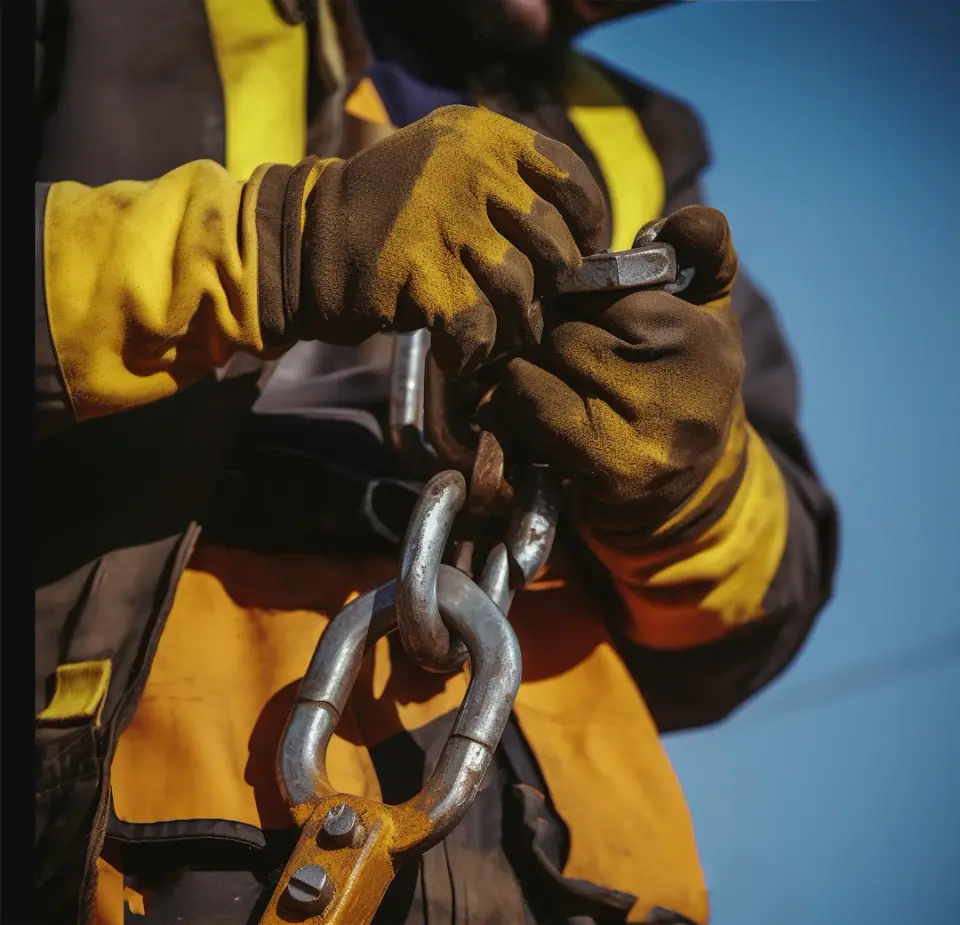
Project cargo and dock structures are where rigging errors get expensive. The rigger qualification and certification program prepares workers for NCCCO Rigger Level I and II, and pairs naturally with signalperson training for crews spread across a long dock face.
Crawler and truck cranes
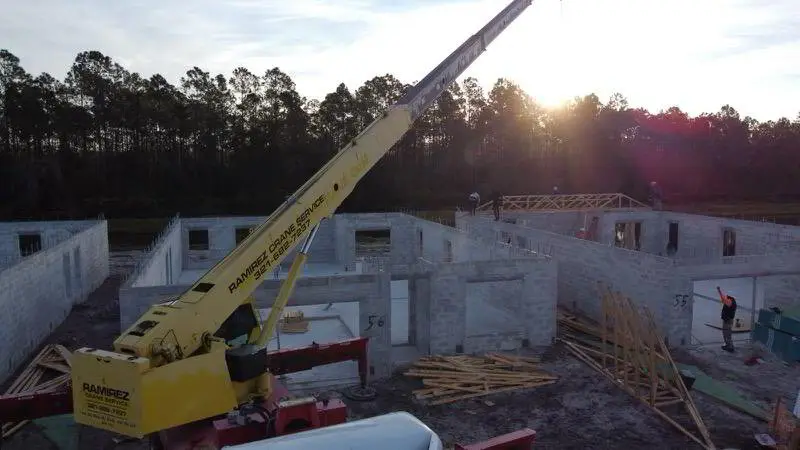
Experienced operators preparing for TSS, TLL or LAT exams belong in the mobile crane certification prep program. The LAT exam covers lattice boom crawler and truck cranes, which are common on heavy marine work.
Mining and plant support
Crews from the Iron Range and regional industrial plants often combine operator recertification with rigging training during the same on-site visit.
Cold, Wind and the Load Chart
A crane's load chart assumes certain conditions, and Duluth rarely offers ideal ones. Wind acting on a large, flat load such as a hatch cover or a turbine blade can exceed what the operator expects, even when the wind at ground level feels manageable. Ice on the boom or the load adds weight, and frozen ground can thaw unevenly under outrigger pads in spring. Fog rolling off the lake can also cut visibility in minutes, which puts even more weight on radio and hand-signal discipline between the cab and the dock.
None of this changes the NCCCO exams, but it changes how instructors frame the material during on-site classes. Our article on crane safety in extreme weather covers the basics every Northland crew should review.
On-Site in Duluth or Open Enrollment in Florida
The Crane School runs one training center, in Seffner, Florida. We have no Minnesota office, but our instructors travel. Port operators and contractors can host classes at their own facility, and our NCCCO-accredited practical examiners can schedule practical exams on-site.
Individuals can also fly to Tampa International and enroll in open classes. For a Duluth operator, a winter trip to Florida can be a sensible time to certify, since local outdoor exam conditions are hardest from December through March. Multi-week programs meet Monday through Thursday, and the school has a negotiated rate at the Holiday Inn Express Tampa Fairgrounds for out-of-state students.
Minnesota Licensing
Minnesota has state-level crane operator requirements in addition to OSHA. Confirm current rules with the state agency and NCCCO's state licensing information before you work there. Federal OSHA's construction rules still apply, and Minnesota enforces workplace safety through its own state plan. Crews based in Superior or working across the bridge should check Wisconsin's rules separately, since the two states do not share a licensing system. Keeping a short note of which state each job sits in avoids surprises when a crew moves between docks. For more, see our Minnesota crane certification overview.