
Capital City, River City
St. Paul is Minnesota's capital, and much of its construction involves public buildings, older neighborhoods and infrastructure along the Mississippi River. Bridge maintenance, rail yards, renovations of historic structures and redevelopment of former industrial land all bring cranes into the East Metro.
Older buildings and river banks share a challenge: you do not always know what is underneath. Crane operator certification in St. Paul pays off when operators understand setup well enough to question ground conditions before the outriggers go down. Former rail and industrial sites near the river can hide old foundations, fill and utilities, and ground that looks firm in October may behave very differently after a spring thaw.
Finding the Right Program
Operators due for renewal
If your crew has held CCO cards for years, check expiration dates now. The mobile crane prep program serves recertification for TSS, TLL and LAT, and the final year before expiration is the right time to enroll.
Ground crews on infrastructure work
Bridge and rail jobs depend on careful rigging. Rigger certification and signalperson training prepare workers for NCCCO exams and support an employer's own qualification process.
People new to cranes
Career changers and apprentices start with the initial program, which teaches fundamentals before any exam prep.
Management
Agencies and contractors can enroll supervisors in the Managing Crane Safety class to cover compliance and lift planning.
Renovation Work and Historic Structures
Renovations around the Capitol area and older downtown blocks often mean lifting over fragile roofs, ornamental stone or occupied offices. Crane placement may be limited to a single street lane, and loads such as mechanical units or replacement windows have to land precisely. A signalperson with a clear view and a rigger who has calculated the load's weight and center of gravity make that possible. Those crews also tend to work in public view, so a calm, well-rehearsed lift reflects well on the contractor and the owner.
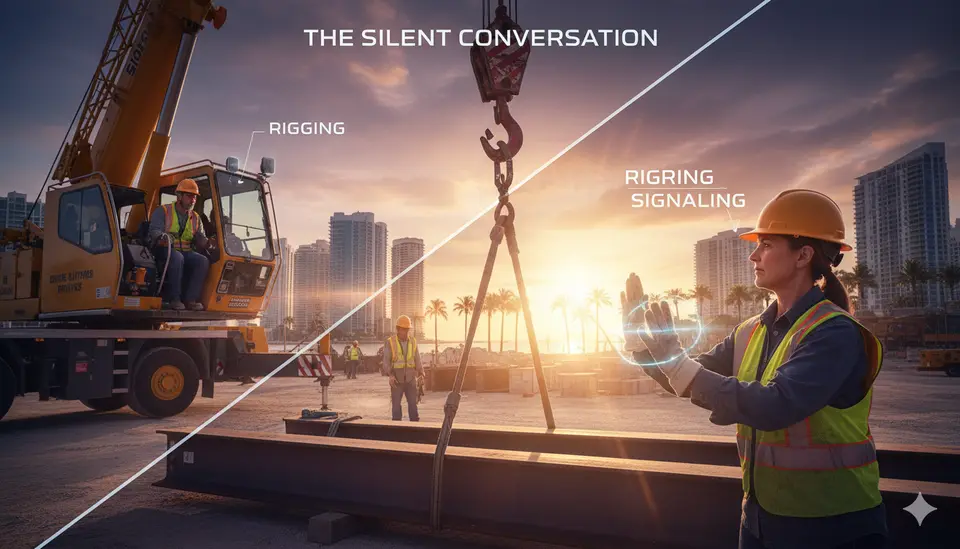
If you want to dig deeper, our article on rigging and signaling explains how operators and ground crews communicate when sightlines are blocked.
Where and How You'll Train
Every open-enrollment class takes place at our single facility in Seffner, Florida. There is no St. Paul office, but employers can bring instructors to their own site, where accredited examiners can also schedule NCCCO practical exams. Individuals can fly to Tampa International and attend classes on the published training calendar. Multi-week programs meet Monday through Thursday, 7:00 AM to 4:00 PM.
Public agencies in Ramsey County and the East Metro often prefer on-site training because it lets maintenance and highway crews certify without long trips. The Crane School has trained crews for municipalities and counties, and the same approach works for road departments, utilities and transit agencies that run cranes or boom trucks only part of the year.
Bring hard-toe footwear, a hard hat, gloves, work clothes and a government-issued photo ID to every session.
Licensing in Minnesota
Minnesota has state-level crane operator requirements in addition to OSHA. Confirm current rules with the state agency and NCCCO's state licensing information before you work there. Our overview of Minnesota crane training has more statewide information. If a St. Paul crew regularly crosses the river into Wisconsin, confirm that state's rules too before taking the job.